

Geology of the Vis Archipelago
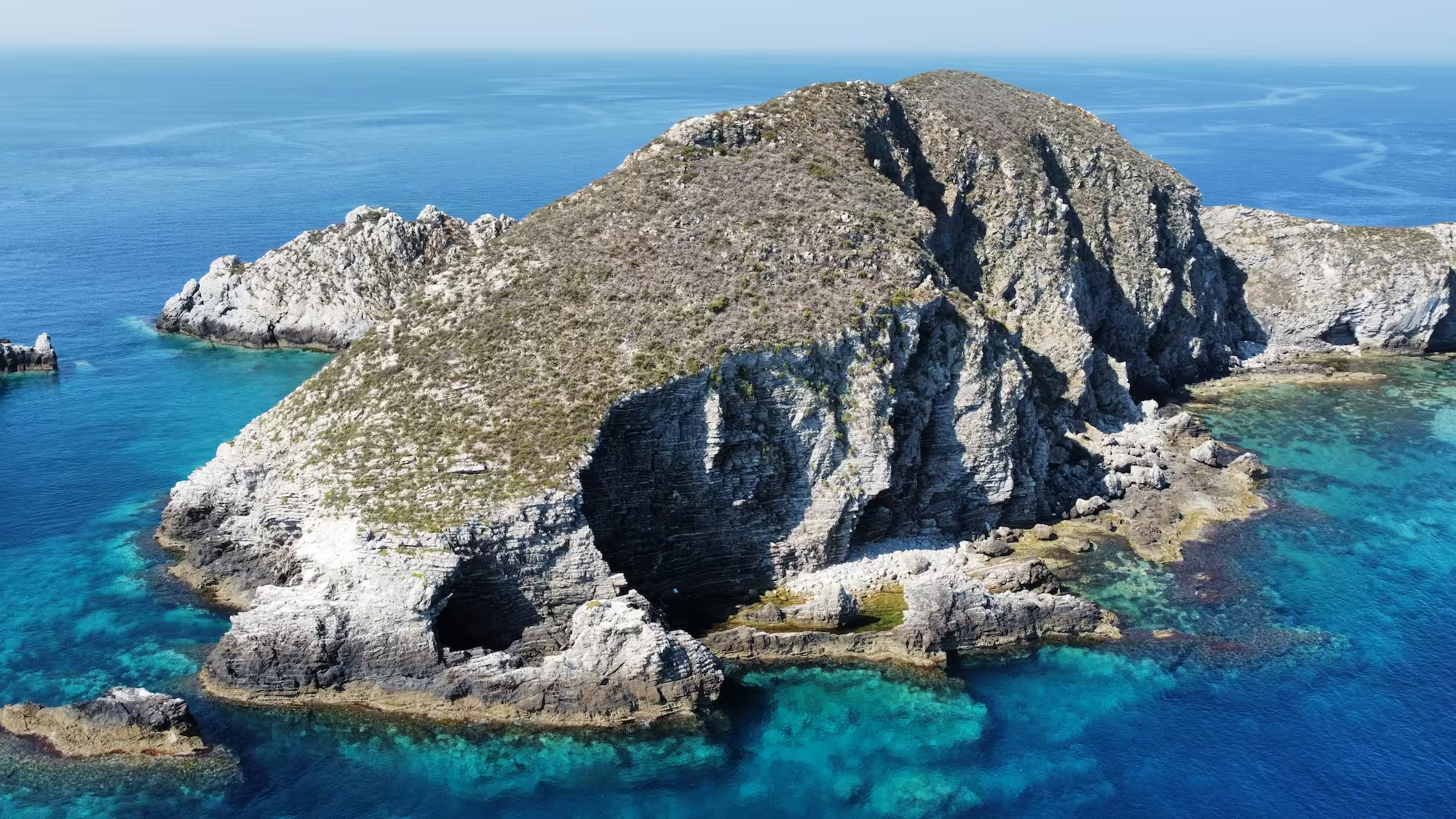
The Vis Archipelago features the highest concentration of natural monuments in Europe, encompassing the Monk Seal, Blue, and Green caves, Stiniva Bay, and the igneous islands of Jabuka and Brusnik. This archipelago stands out clearly from the rest of the Adriatic islands, which are mostly composed of sedimentary rock, as it was partly formed by the oldest rocks in the Adriatic, dating back 220 million years.
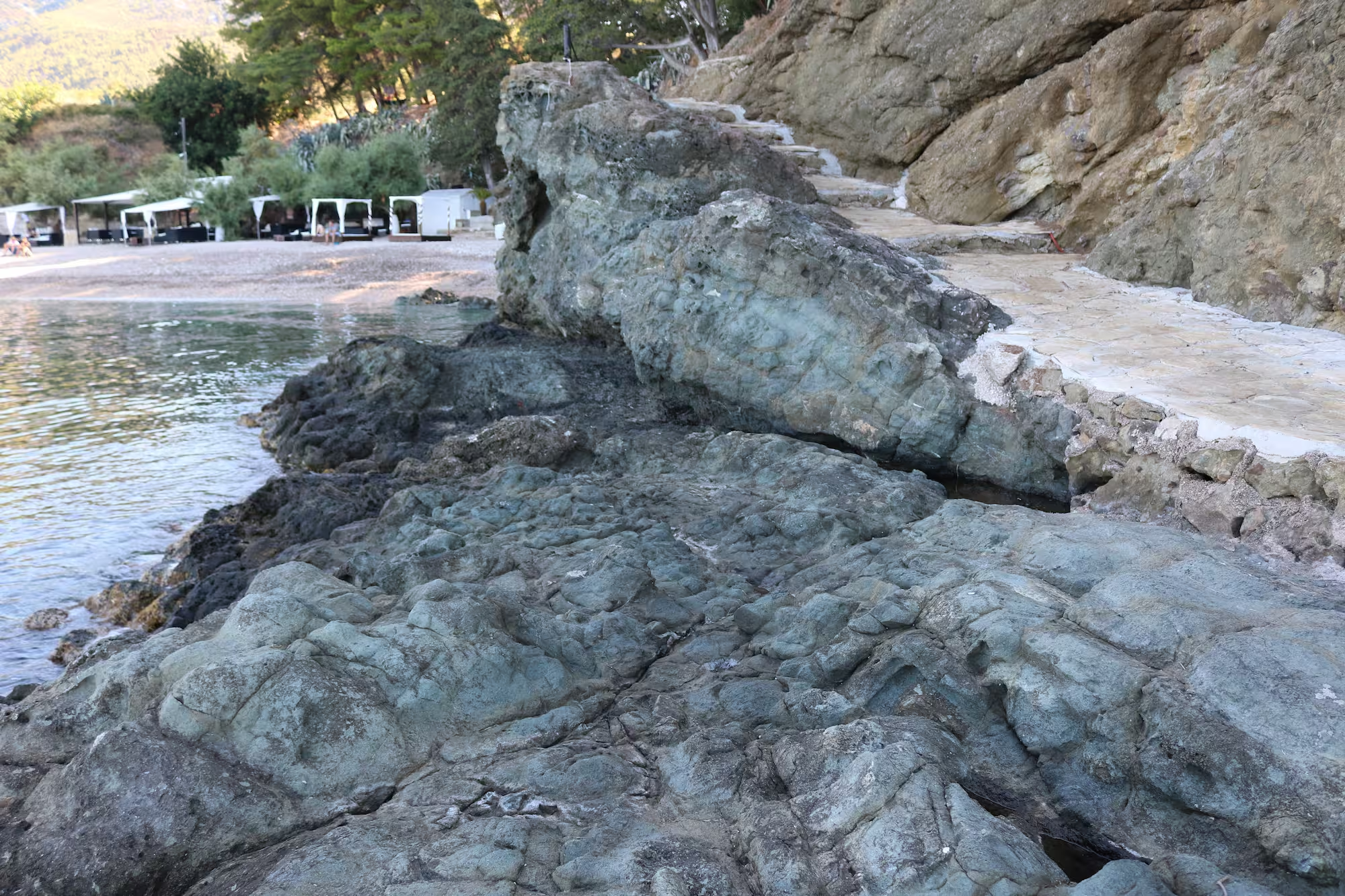
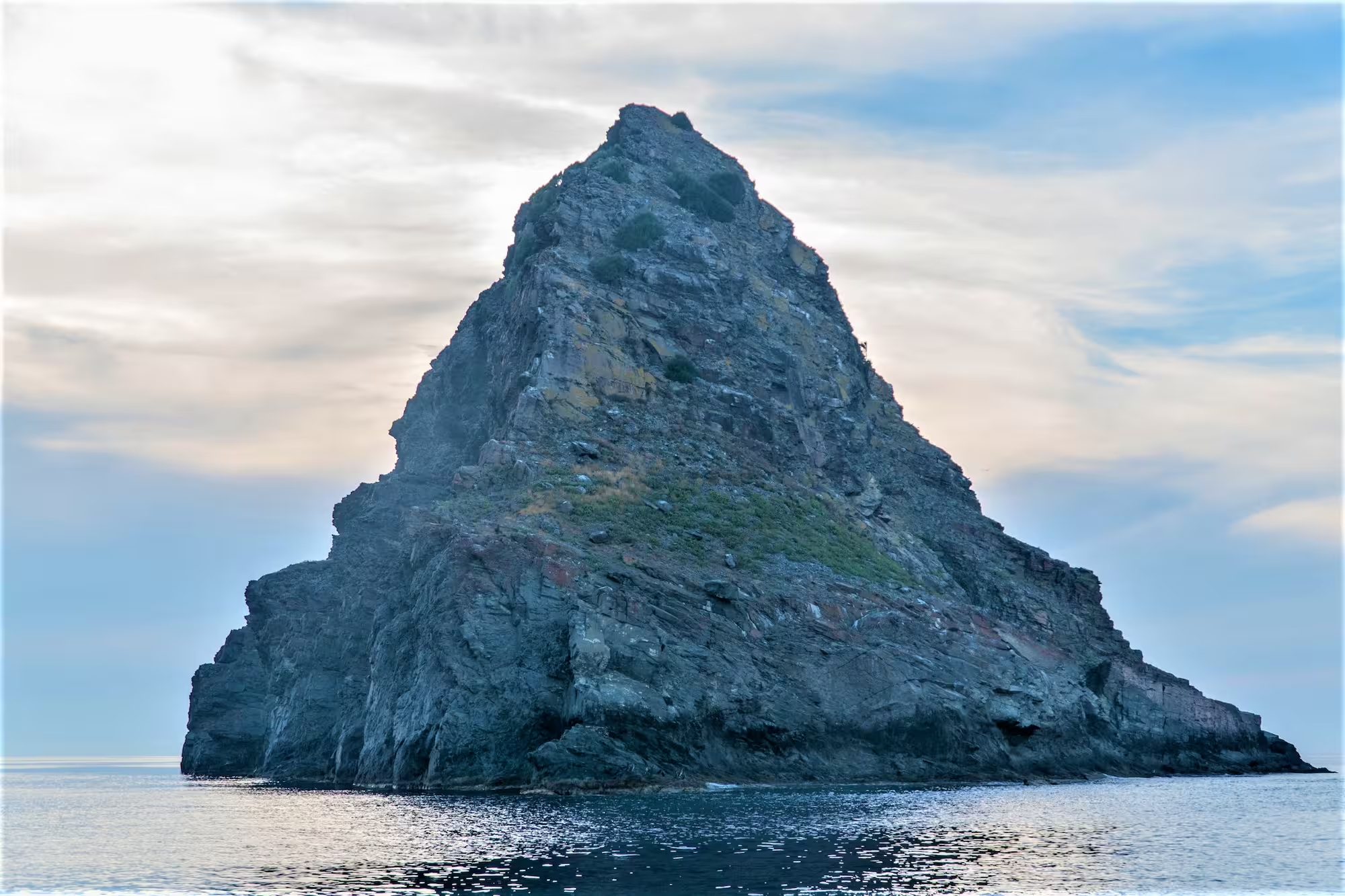
The Bay of Komiža also represents an exception in the Adriatic, having been formed by a diapir pierce-through—a massive body of ancient salt from deep within the Earth's crust that lifted layers of sedimentary rock and shaped the present-day appearance of the island of Vis. Remnants of this diapir can still be found today on certain beaches within the bay. Emerging from the sea as the peaks of this very same diapiric intrusion are large blocks of igneous rock: the islands of Jabuka and Brusnik. Some of these volcanic blocks failed to reach the surface and today form well-known underwater shallows (submerged islands) rich in fish, such as Kavalina near Brusnik, as well as Gatula, Sika od Trešjovca, and Tara near the island of Biševo.
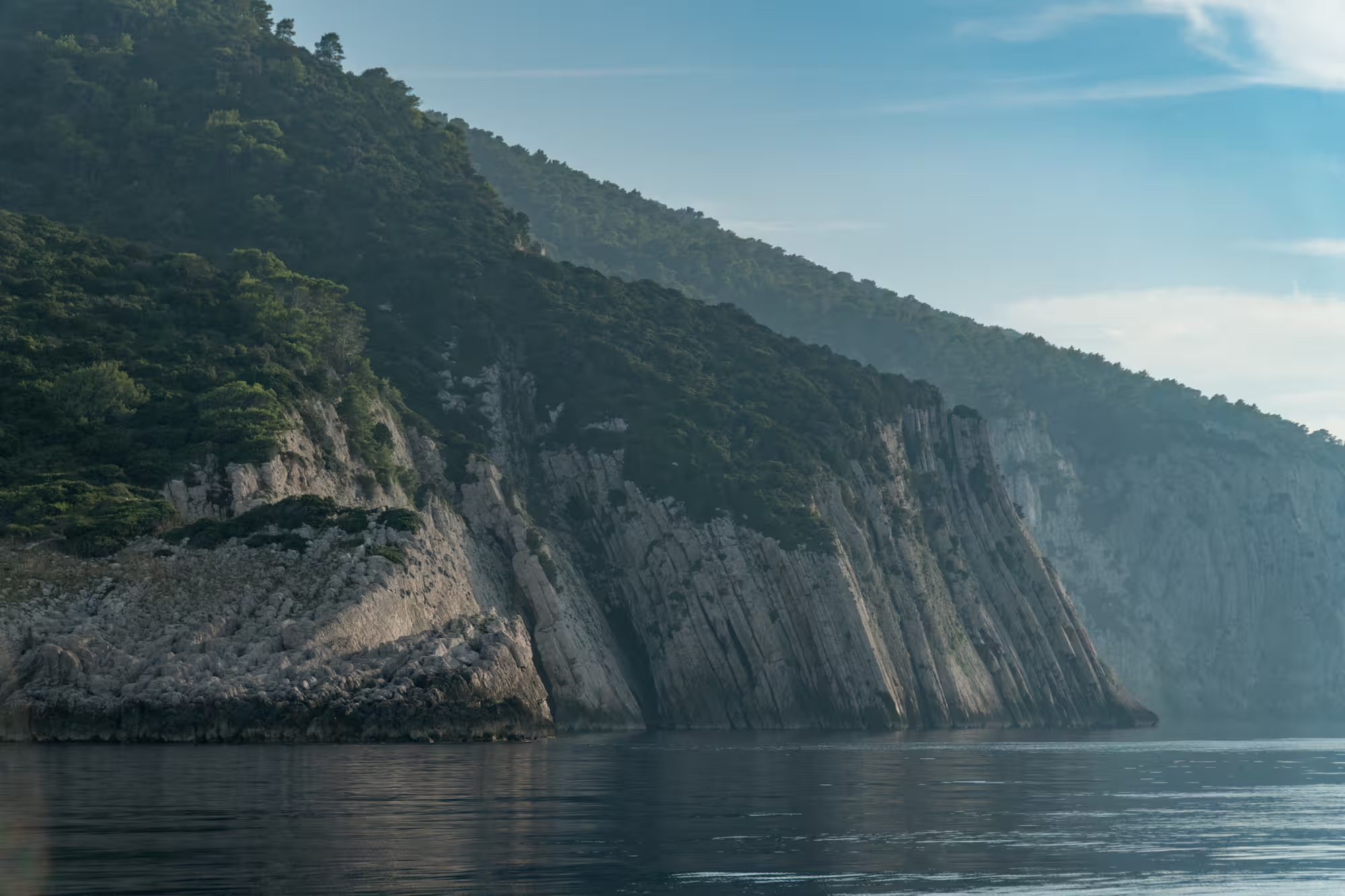
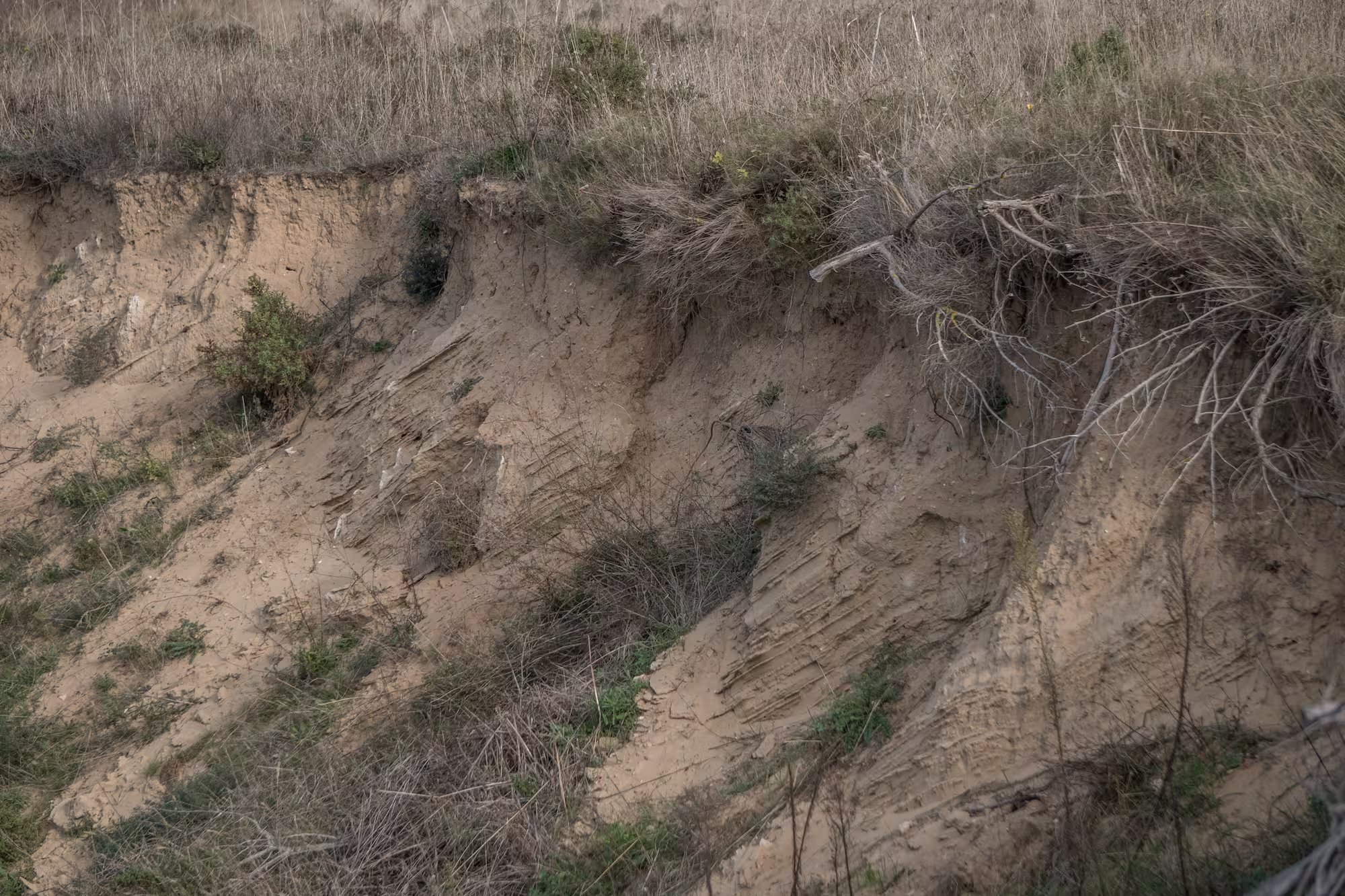
However, outside the igneous zones, most of the island of Vis consists of kilometers-thick layers of sedimentary rock formed by the lithification of sand, mud, and the shells of marine organisms. On the other hand, the northeastern areas of the island feature fertile fields formed by massive deposits of aeolian (windblown) sand. This sand was carried by winds during the ice ages, when most of today's Adriatic Sea was a dry steppe plain. Numerous geomorphological formations were created during this period, including specific caves, bays, and rectangular arrangements of stacked stone blocks.
A special geological curiosity of this area is Palagruža, the archipelago's most distant island. It was here that pelagosite was identified for the first time—a specific mineral of aragonite origin that appears as a unique black crust on the stone. Geology named this mineral after the Italian name for Palagruža—Pelagosa, which stems from the Greek word for the open sea, or the high seas.
.avif)

Hrvatskih mučenika 17
21485 Komiža, Croatia
+385 91 271 30 23
geopark@geopark-vis.com
Fotografije: Ivo Pervan, Matko Petrić, Stjepan Mekinić
Design & development: P3R0