


Professional visit by Škocjan Caves Park staff to the Vis Archipelago UNESCO Global Geopark
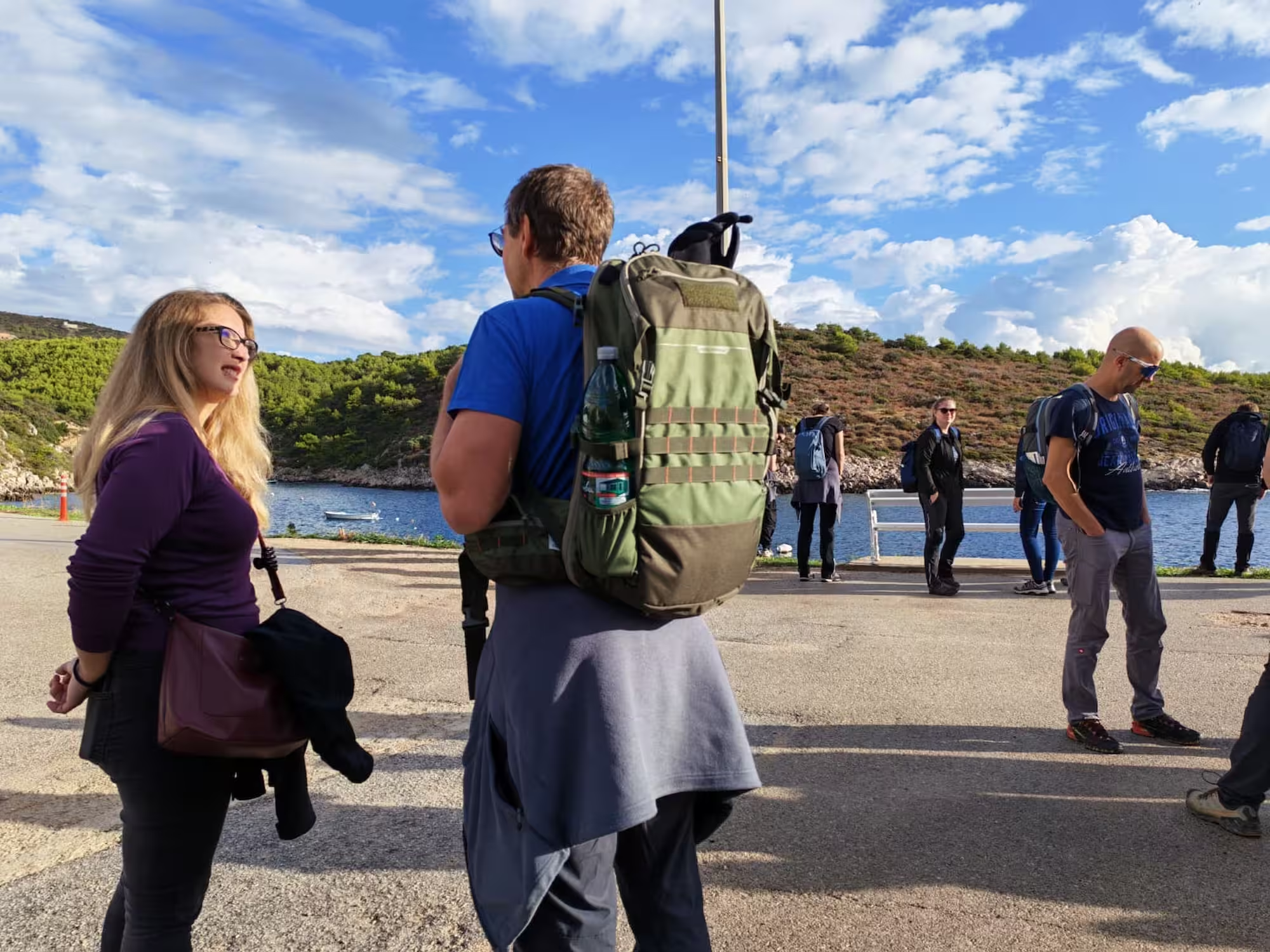
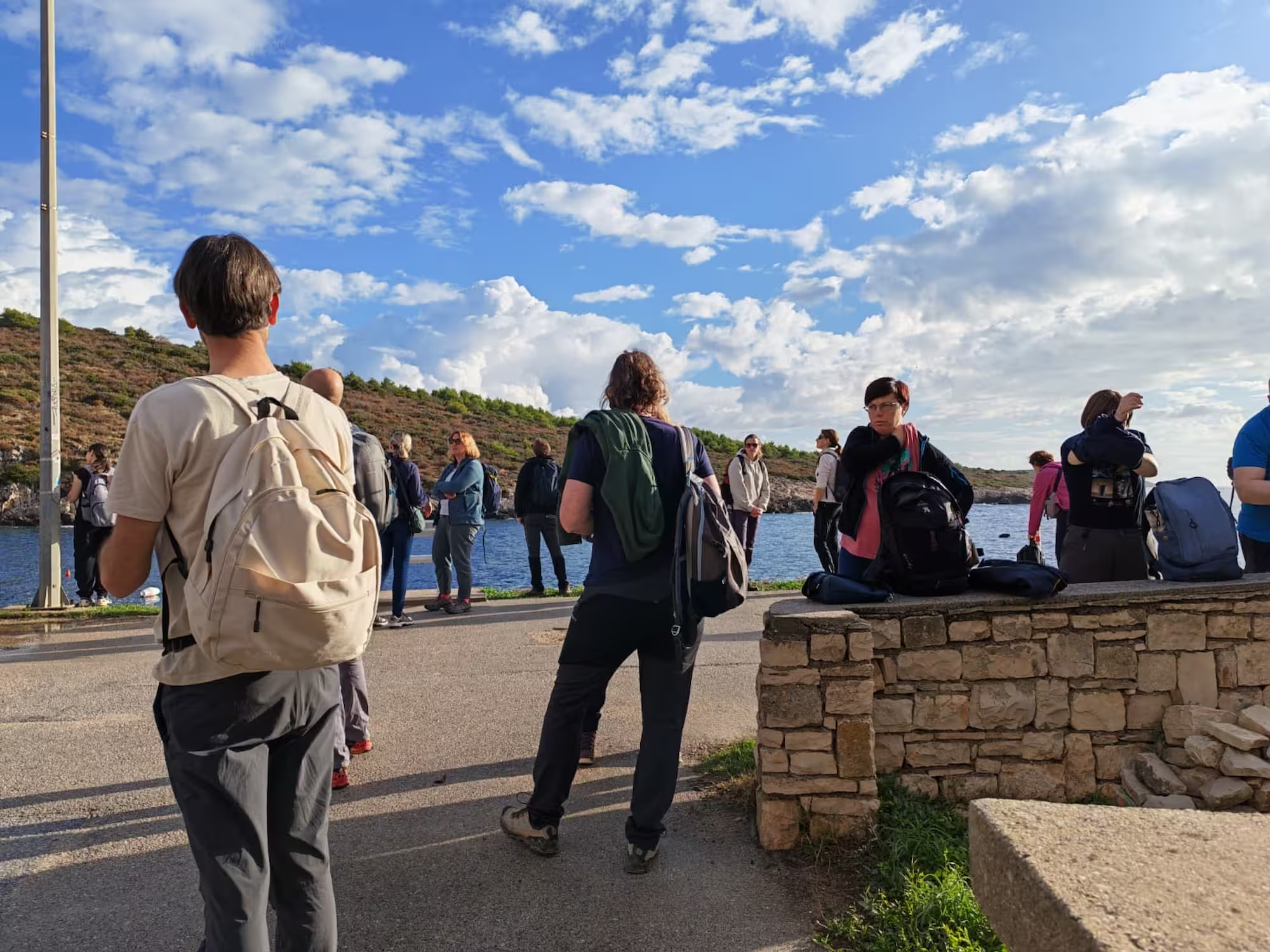
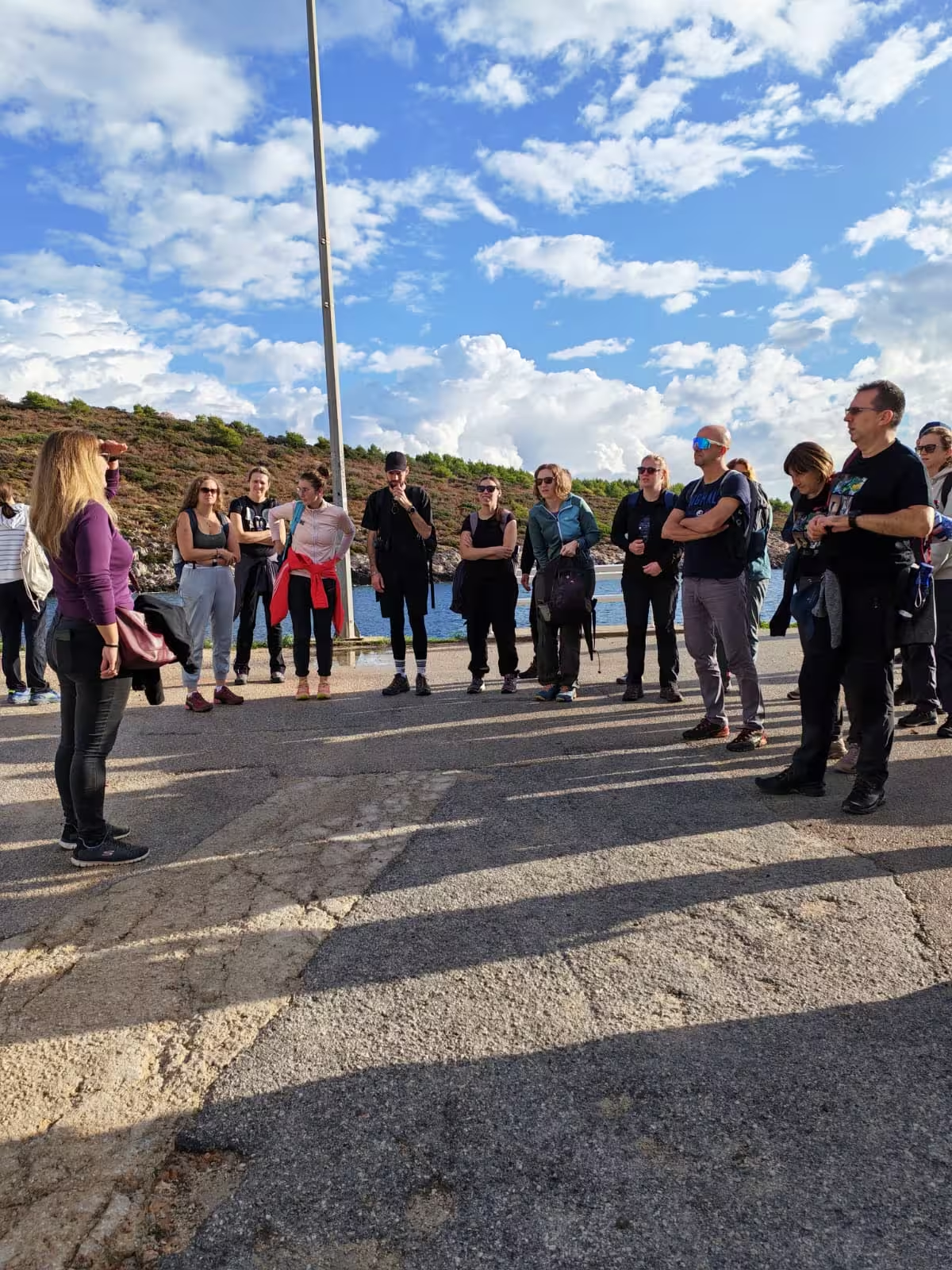
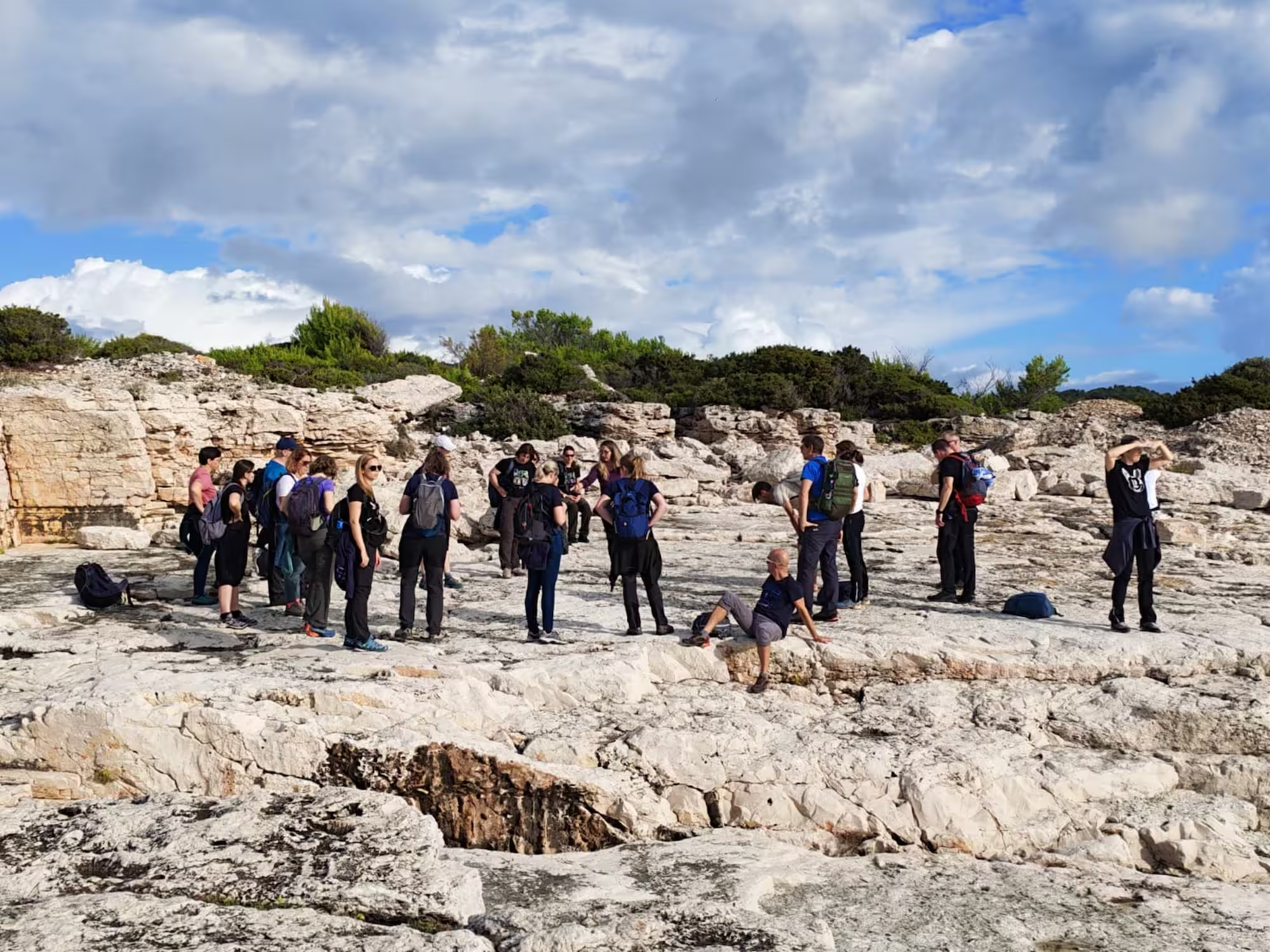
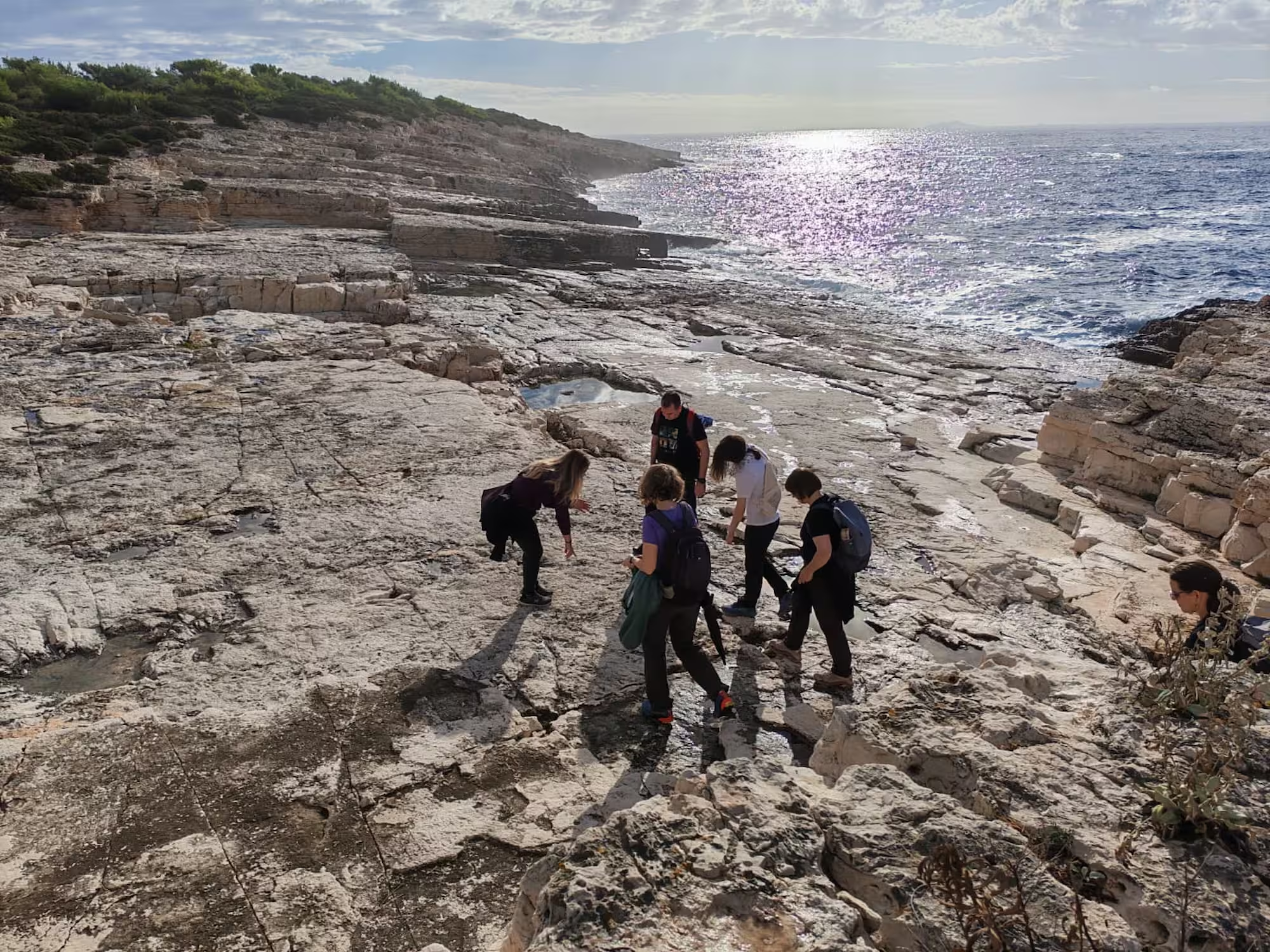
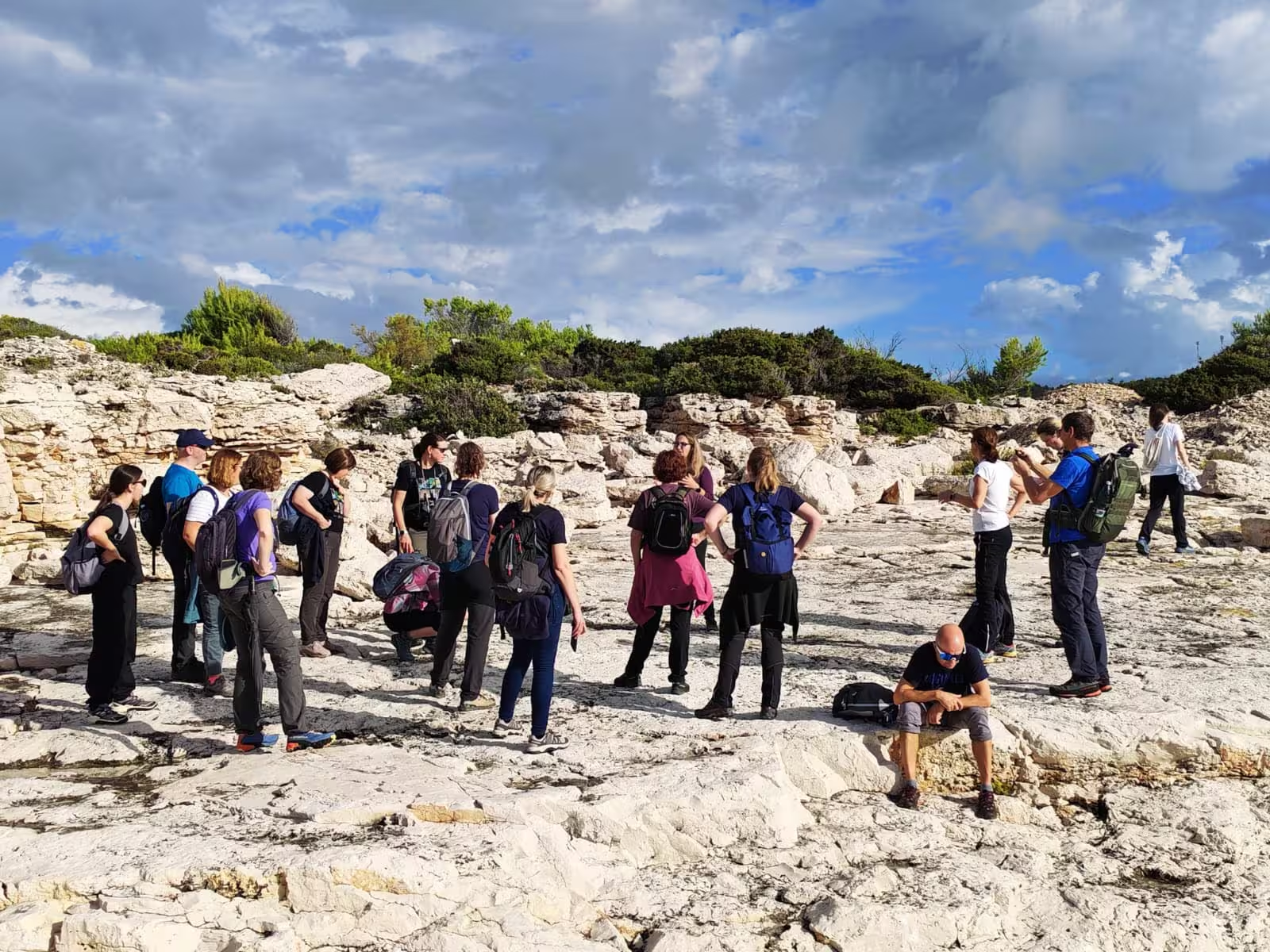
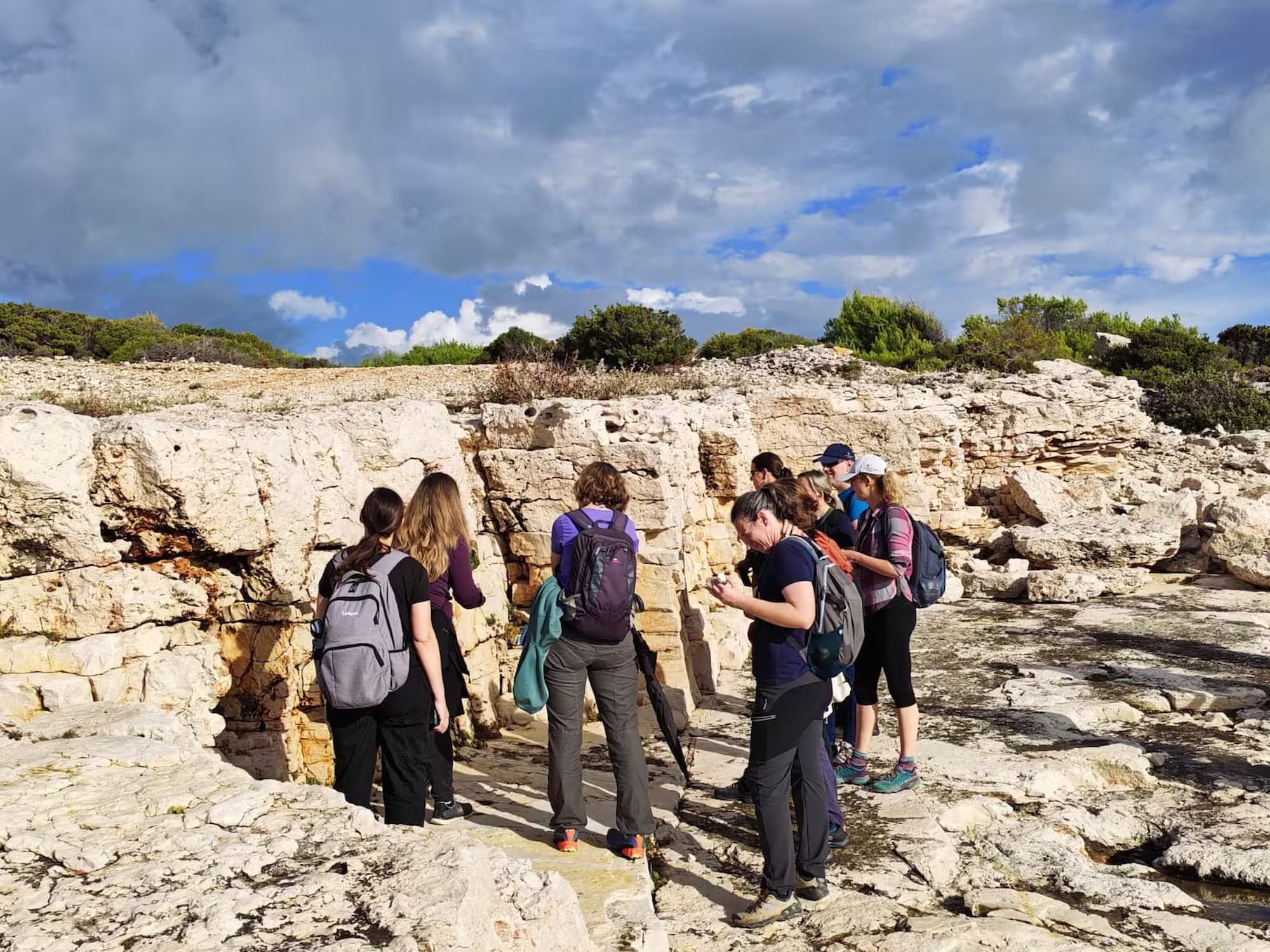
From October 21 to 24, 2026, the Vis Archipelago UNESCO Global Geopark hosted staff from the Škocjan Caves Park in Slovenia. This four-day professional visit provided an opportunity to explore the geological, natural, and cultural heritage of the Vis Archipelago and to exchange knowledge and experience in the fields of protected area management, heritage interpretation, and sustainable tourism development.
Škocjan Caves Park is one of Slovenia's internationally recognized areas of natural and cultural heritage. The Škocjan Caves are inscribed on the UNESCO World Heritage List, and the park area is also linked to other international protection and recognition frameworks, including the UNESCO Karst Biosphere Reserve and the Ramsar site. The park is also involved in activities aimed at developing the future Karst Geopark.
Exploring the geological heritage of the Vis Archipelago
During their stay on the island of Vis, our Slovenian colleagues were introduced to the fundamental geological features of the Vis Archipelago, its natural and cultural heritage, and the activities the Geopark carries out in the areas of conservation, interpretation, education, and sustainable development.
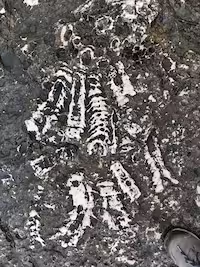
An important part of the professional program was a field tour of the Vis – Rukavac Geo-trail, during which participants had the opportunity to learn about the geological features of the southeastern part of the island of Vis and how geological heritage is presented and interpreted through educational content in the field.
The program also showcased the geological and natural values of the Rukavac archipelago and the island of Biševo, which are significant components of the Vis Archipelago's geological diversity.
Field activities enabled a direct exchange of experience regarding the interpretation of geological sites, the organization of visitor management, and approaches to bringing natural heritage values closer to different visitor groups.
Exchanging experience in the management and conservation of natural heritage
A particular value of the visit was the opportunity to compare the experiences of two institutions operating in different geographical and natural environments, yet sharing similar goals in the conservation and sustainable use of heritage.
While the Škocjan Caves area is internationally renowned for its exceptional underground karst system, the Vis Archipelago is characterized by its complex geological structure, diverse coastal and island relief, and rich natural and cultural heritage. These very differences provide an opportunity to exchange approaches to the management, education, and interpretation of geological phenomena.
During joint discussions, experiences were exchanged regarding the challenges of managing valuable natural areas, sustainable tourism, educational activities, and the importance of involving local communities in the conservation and presentation of heritage.
Strengthening professional and regional cooperation
Professional visits and networking between institutions that manage protected areas and geoparks are an important form of international cooperation, especially in exchanging examples of best practices and developing new approaches to natural heritage conservation.
The visit by Škocjan Caves Park staff to the Vis Archipelago Geopark contributed to establishing new professional contacts and opening opportunities for future cooperation in areas of mutual interest, particularly geoconservation, education, interpretation, and sustainable visitor management.
The Vis Archipelago UNESCO Global Geopark thanks our colleagues from Škocjan Caves Park for their visit, the exchange of professional experience, and their interest in our geological and natural heritage, and we look forward to future opportunities for collaboration.



Posljednje novosti

Hrvatskih mučenika 17
21485 Komiža, Croatia
+385 91 271 30 23
geopark@geopark-vis.com
Fotografije: Ivo Pervan, Matko Petrić, Stjepan Mekinić
Design & development: P3R0