


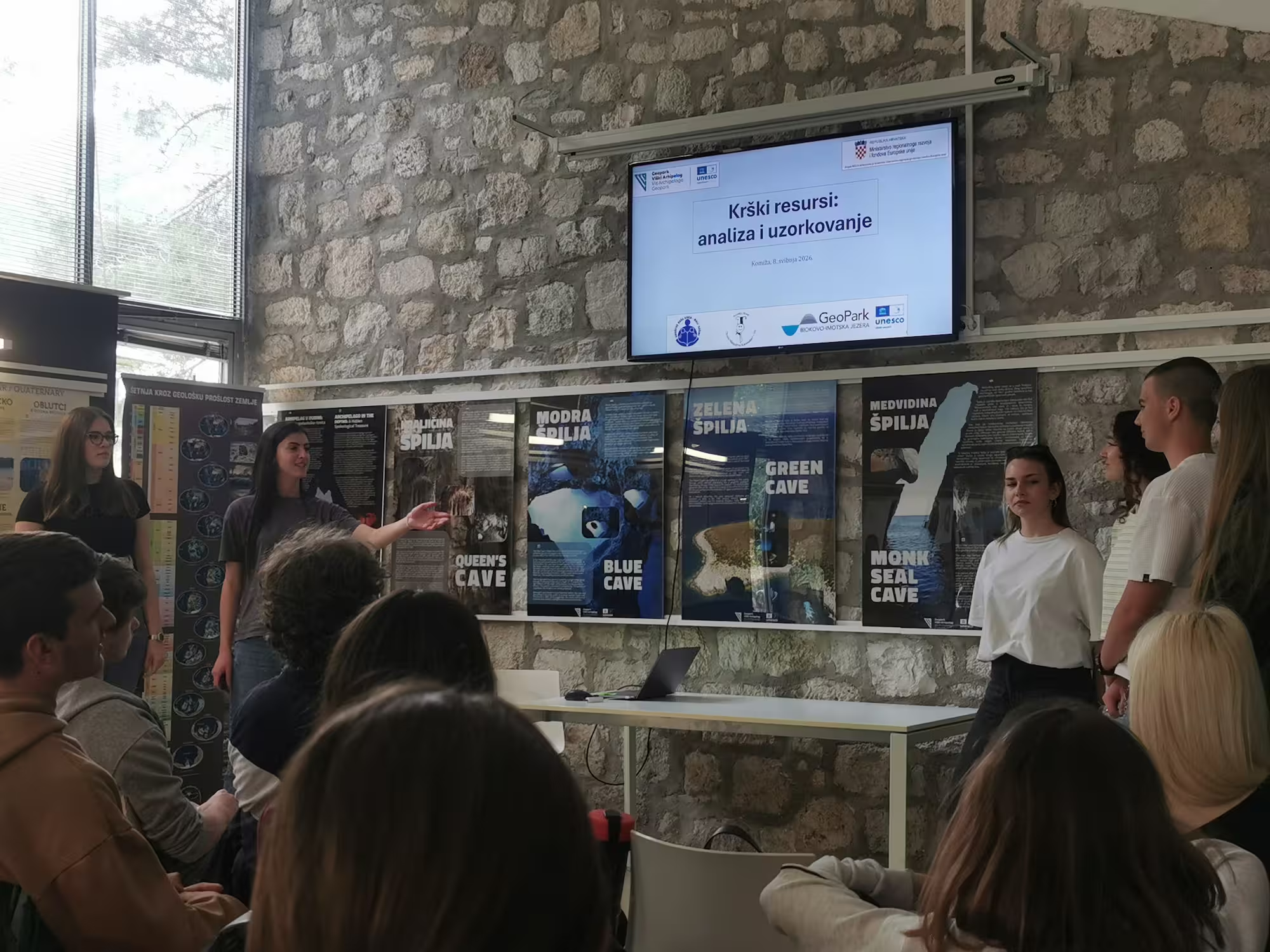
The KRAS project – Karst Resources: Analysis and System – was successfully concluded with a final conference held in Vis.
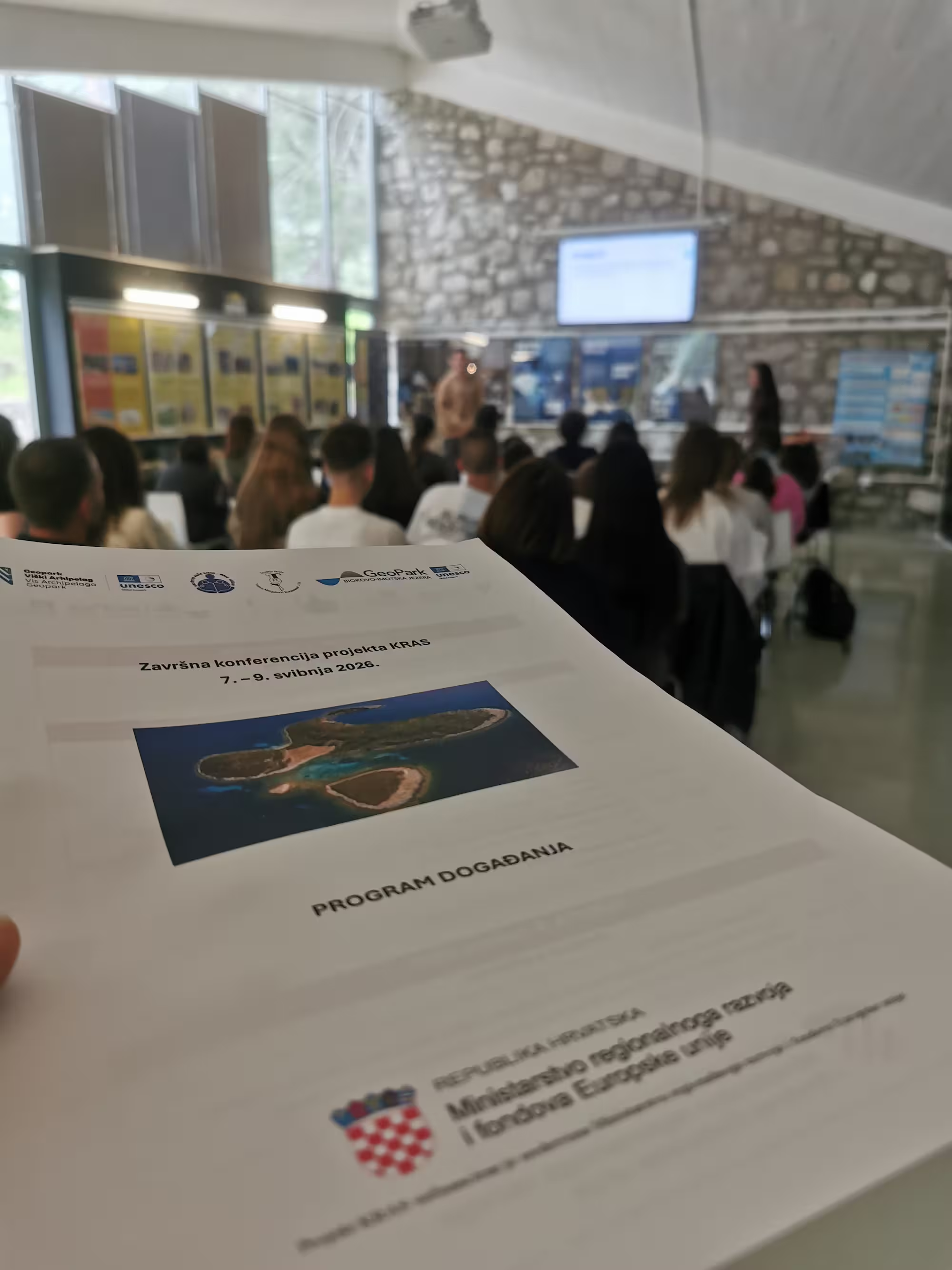
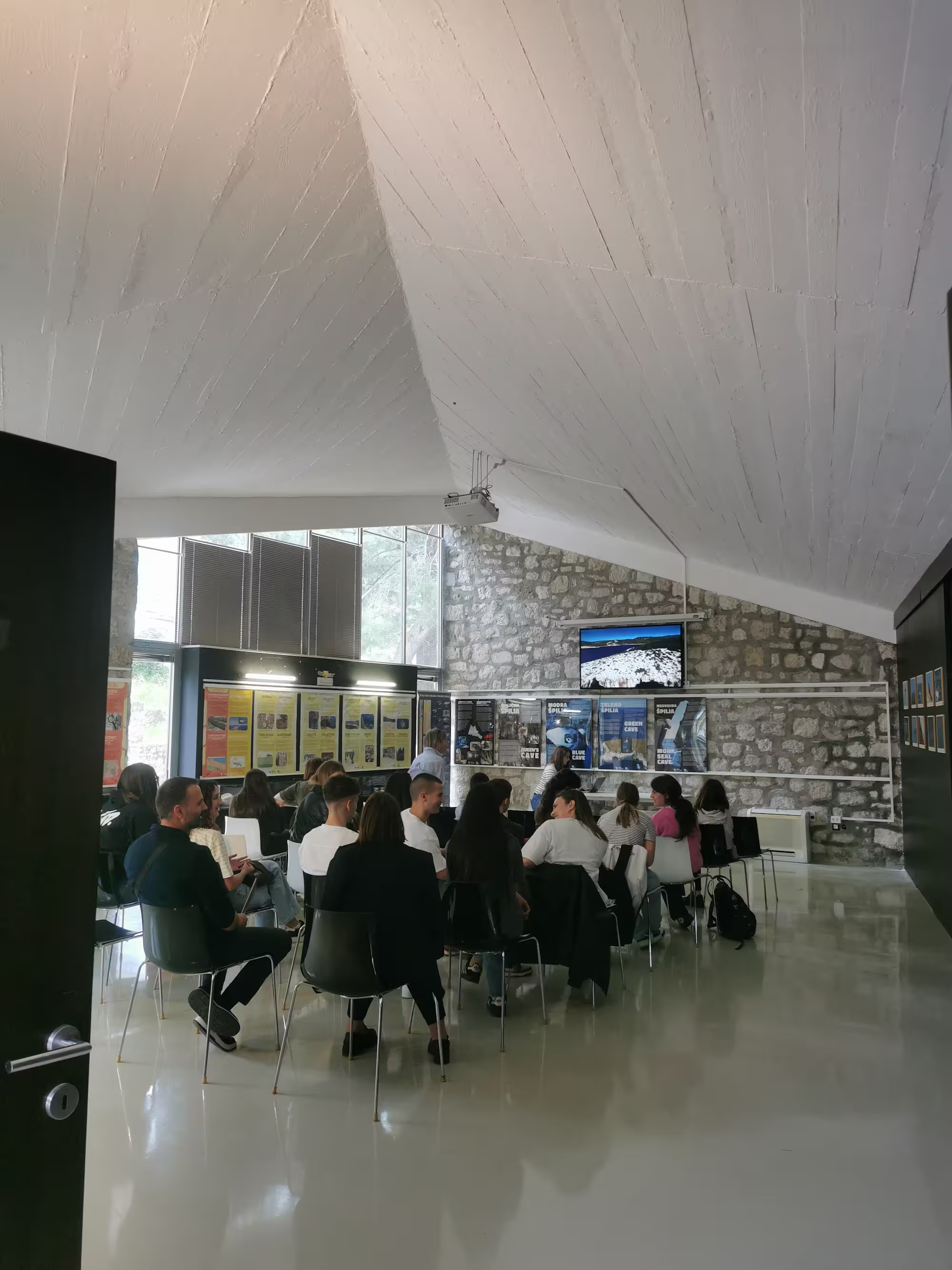
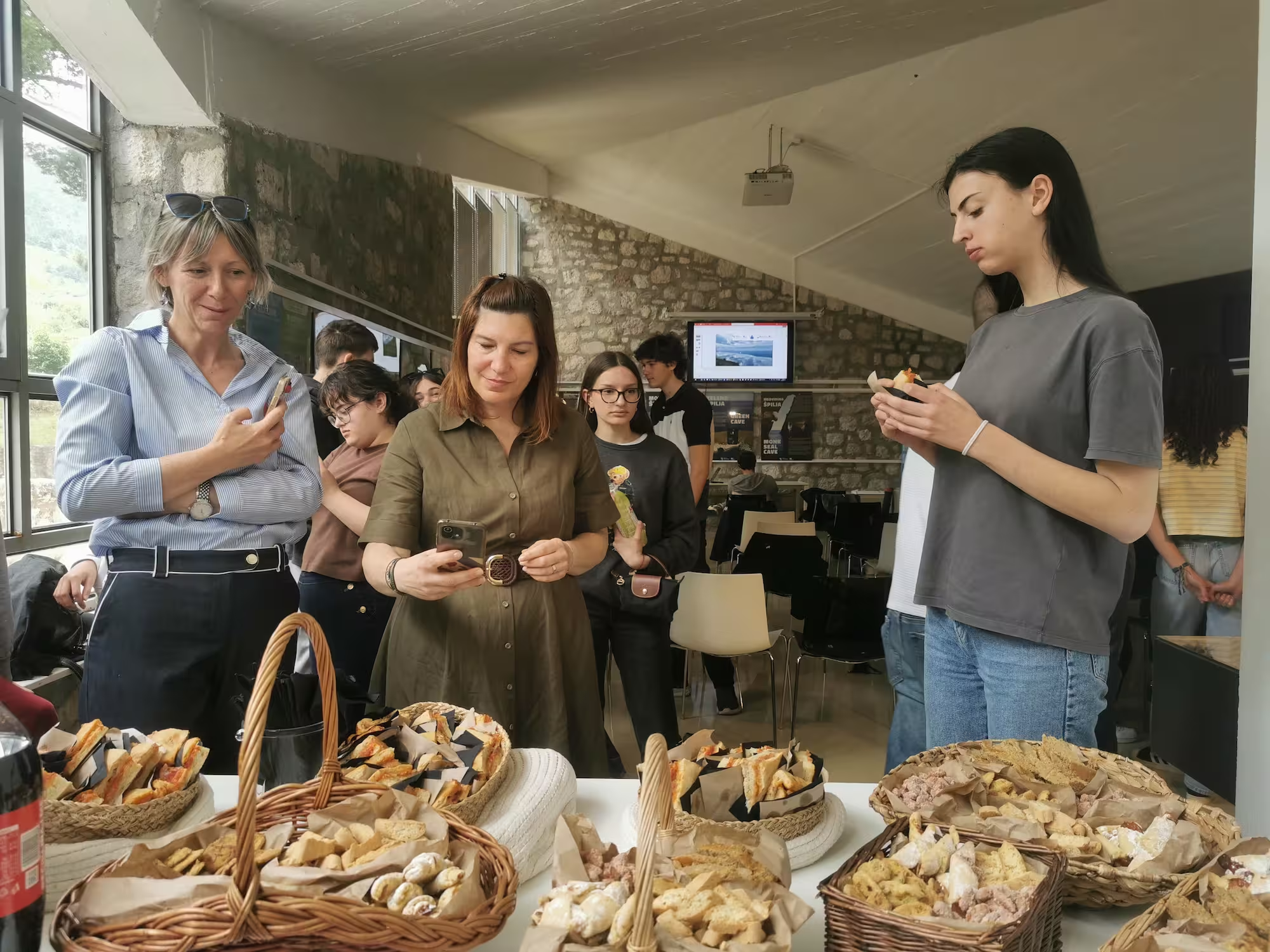
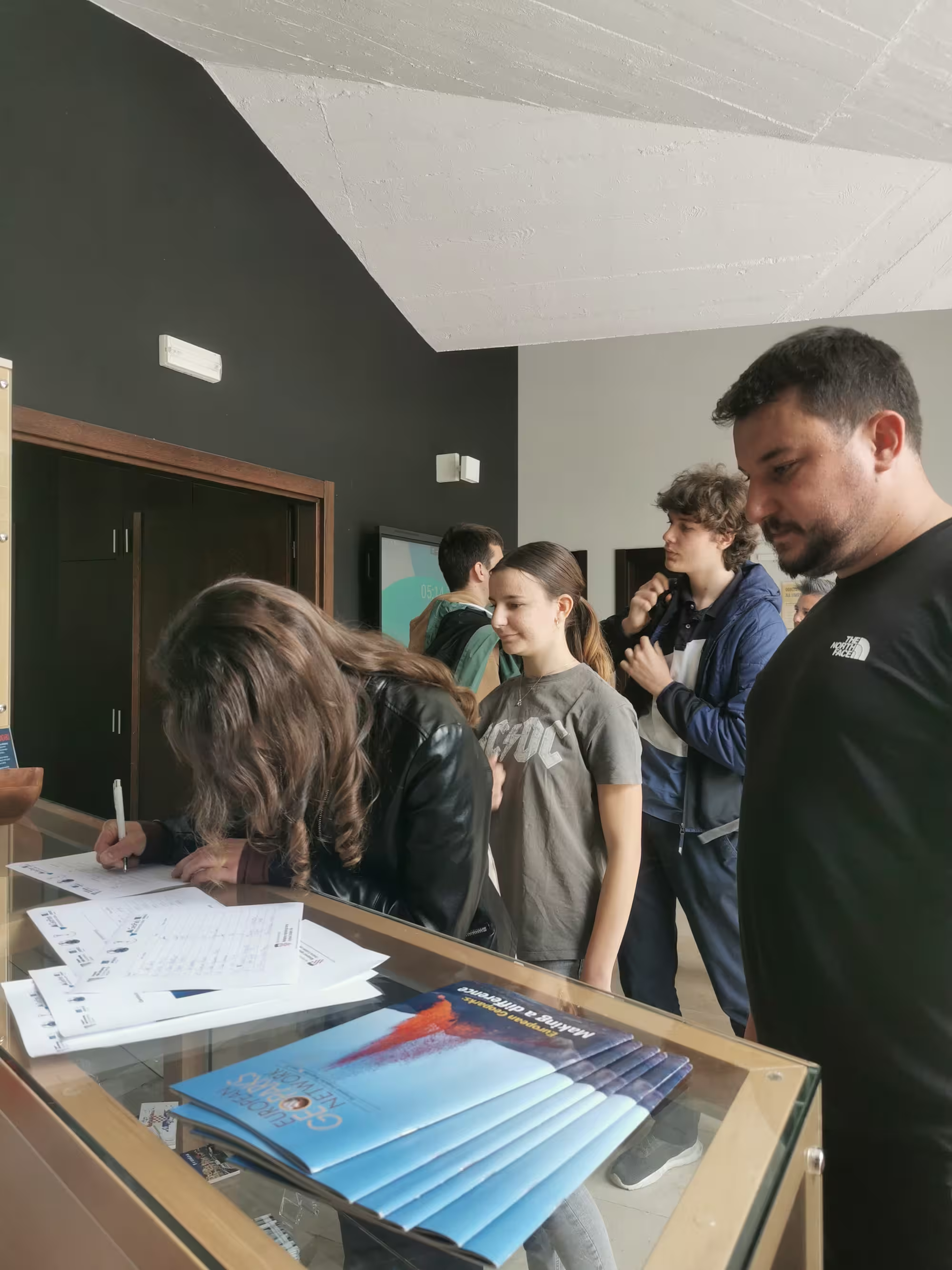
The final conference of the project was held at the Vis Archipelago Geopark Visitor Center in Komiža KRAS – Karst Resources: Analysis and System, officially concluding the implementation of the eponymous project focused on researching the vulnerability of karst aquifers and strengthening scientific literacy among young people through practical research work.
The project leader was the Vis Archipelago Geopark, and the project was implemented in partnership with Antun Matijašević Karamaneo High School from Vis, Our Children Society Mali Lošinj, and Imotski Lakes Geopark, with the expert support of the Croatian Geological Survey.
The project was carried out in the areas of Vis, Biševo, Lošinj, Cres, and the Imotski region, with the aim of researching the impact of climate change, seasonal variations, and anthropogenic pressures on water quality and the state of karst aquifers. Special emphasis was placed on educating students and involving them in the real scientific research process.
Through the project, students, mentored by teachers and hydrogeologists from the Croatian Geological Survey, participated in field water sampling, measurements of water quality parameters, data processing and interpretation, comparison of results between different karst areas, and the preparation of reports and presentation of results to the local community.
As part of the project, at least six months of water sampling and analysis were conducted at multiple microlocations, including springs, wells, pumping stations, and natural ponds. In the area of Vis and Biševo islands, traditional water sources such as the Korita spring, 'kamenice' (rock pools), the Austrian well, and the well on Biševo were analyzed, which historically played a crucial role in supplying the local population with drinking water.
For centuries, water has been one of the most critical issues for life on remote islands. Before modern water supply systems, the population relied on rainwater harvesting, wells, ponds, and natural water sources, which is why such locations held great vital, economic, and social importance.
Research results showed that all analyzed samples were classified as hard water, which is characteristic of karst areas rich in limestone. Measured pH values indicated that the water is neutral to slightly alkaline, suggesting a stable chemical balance and good quality for natural systems.
A particularly important result relates to the electrical conductivity and salinity of the water, with analyses showing no seawater intrusion into the aquifers in the Vis island area. This confirmed the stability of the island's drinking water sources, which is of immense importance for life on remote islands.
Phosphates were also not found in the samples, indicating that agricultural activities near the investigated locations are not currently causing significant pollution of water resources. The overall water status in the Vis island area was assessed as stable.
The project included six main activities:
- project preparation and organization,
- training of research leaders and partners,
- research and data collection,
- data processing and results analysis,
- presentation and dissemination of research results,
- visibility, communication, evaluation, and reporting activities.
All collected data has been consolidated into a digital database which will serve for future research, educational activities, and a better understanding of the vulnerability of karst water systems.
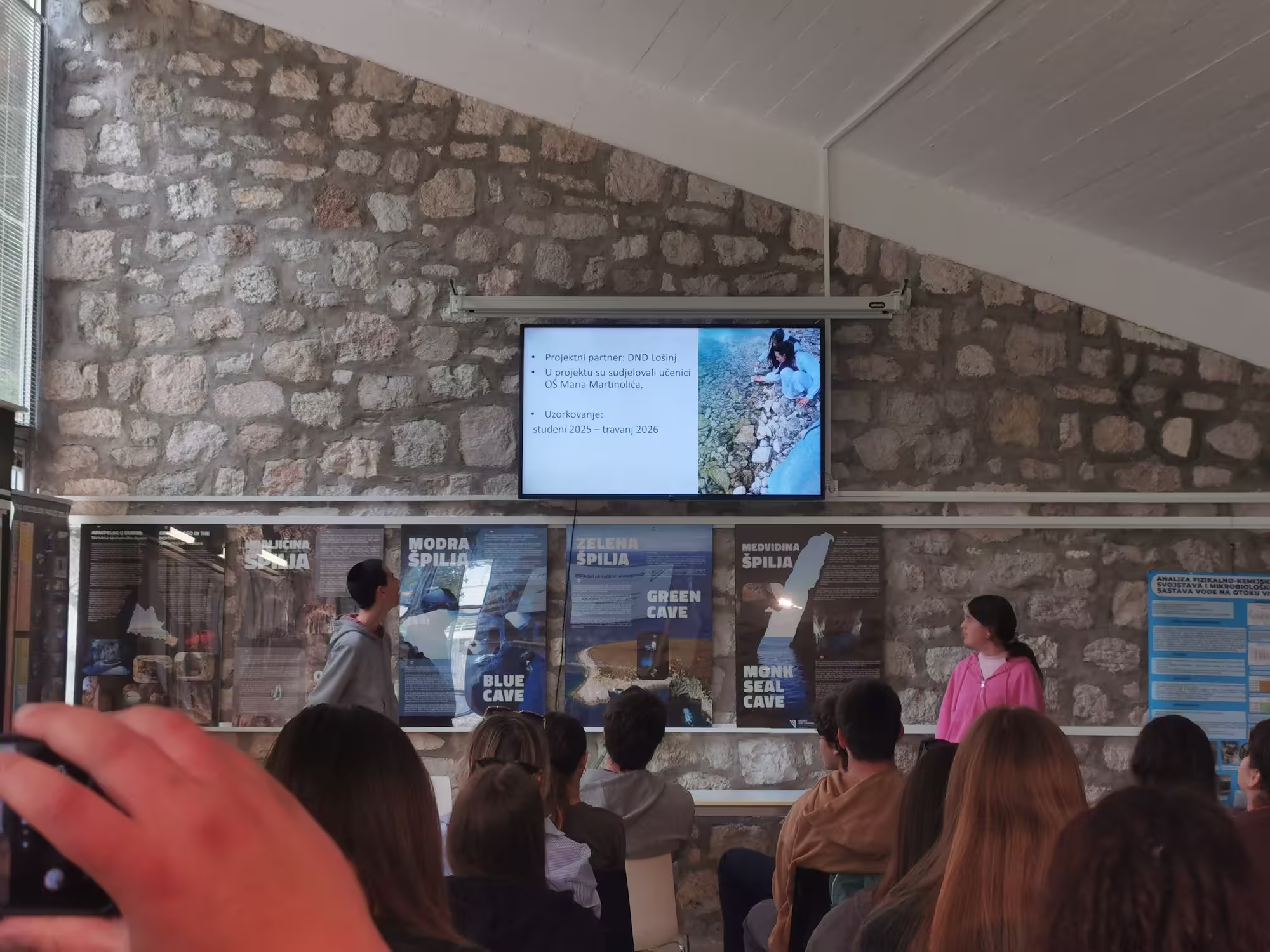
At the final conference, research results and the experiences of project partners were presented, and presentations were given by representatives from:
- Antun Matijašević Karamaneo High School from Vis,
- Dr. Mate Ujević Gymnasium from Imotski,
- Maria Martinolić Primary School from Mali Lošinj.
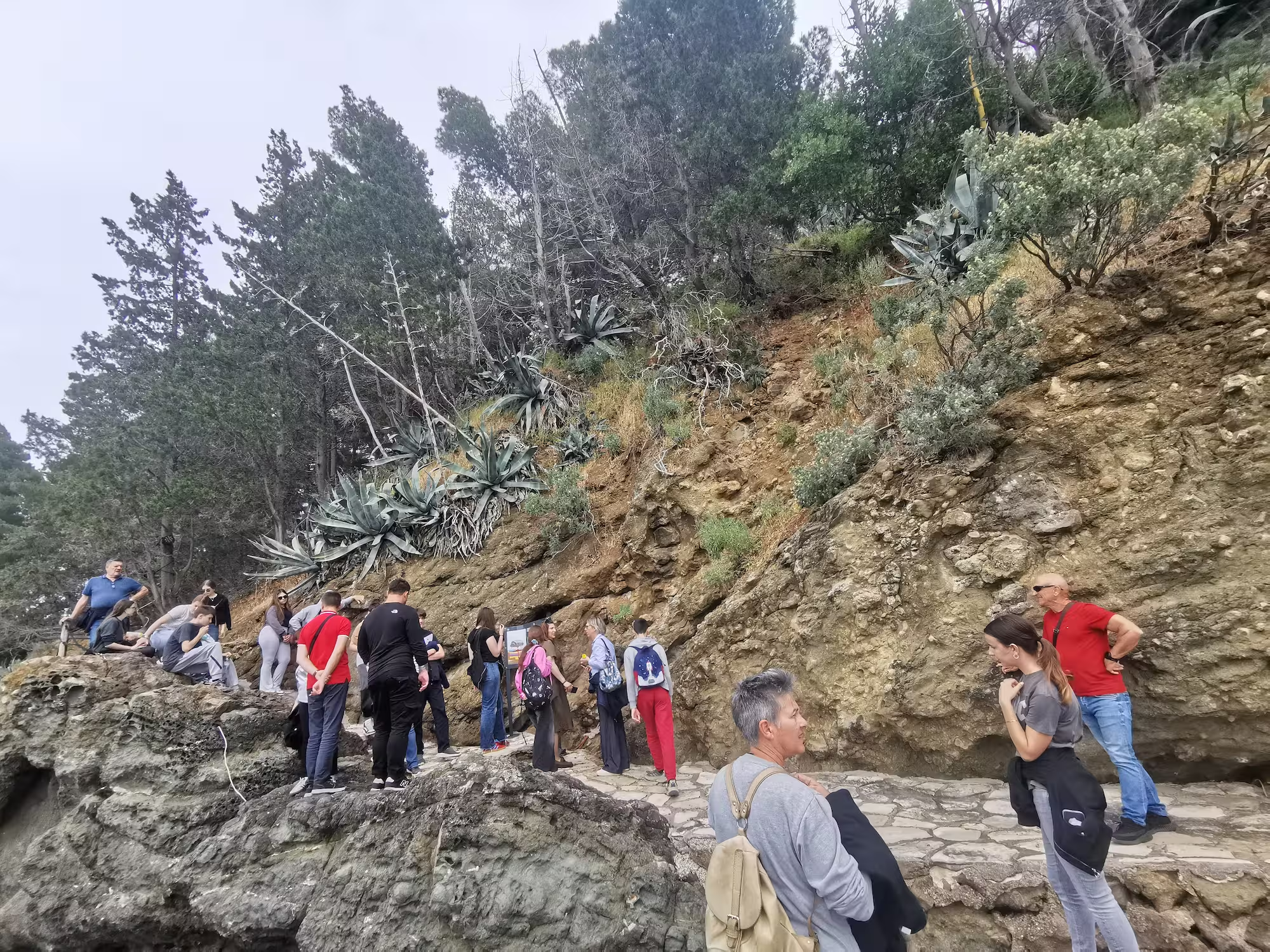
In addition to the conference program, participants also took part in a field trip to the Komiža Geostation, where they gained further insight into the geological, landscape, and natural characteristics of the Vis area.
The KRAS project demonstrated the crucial importance of interdisciplinary collaboration, fieldwork, and youth engagement for understanding and preserving karst and island water systems, particularly in the context of climate change and increasing pressure on natural resources.
We extend our gratitude to all students, mentors, partners, experts, volunteers, and collaborators whose knowledge, effort, and enthusiasm contributed to the successful implementation of the project.











Posljednje novosti

Hrvatskih mučenika 17
21485 Komiža, Croatia
+385 91 271 30 23
geopark@geopark-vis.com
Fotografije: Ivo Pervan, Matko Petrić, Stjepan Mekinić
Design & development: P3R0