


2nd Festival of Croatian UNESCO Global Geoparks 2026 gathered experts, local producers, and heritage enthusiasts on Vis
From April 9 to 12, 2026, the Vis Archipelago Geopark hosted the 2nd Festival of Croatian UNESCO Global Geoparks, an event that gathered on the island of Vis representatives of Croatian and international geoparks, experts, local producers, and numerous participants interested in geoheritage, sustainable development, and the cultural identity of the region.
Over four days, the festival connected fieldwork, expert lectures, the exchange of experiences, and the promotion of local products, confirming the importance of UNESCO Global Geoparks as areas where natural heritage, science, local communities, and sustainable development converge.
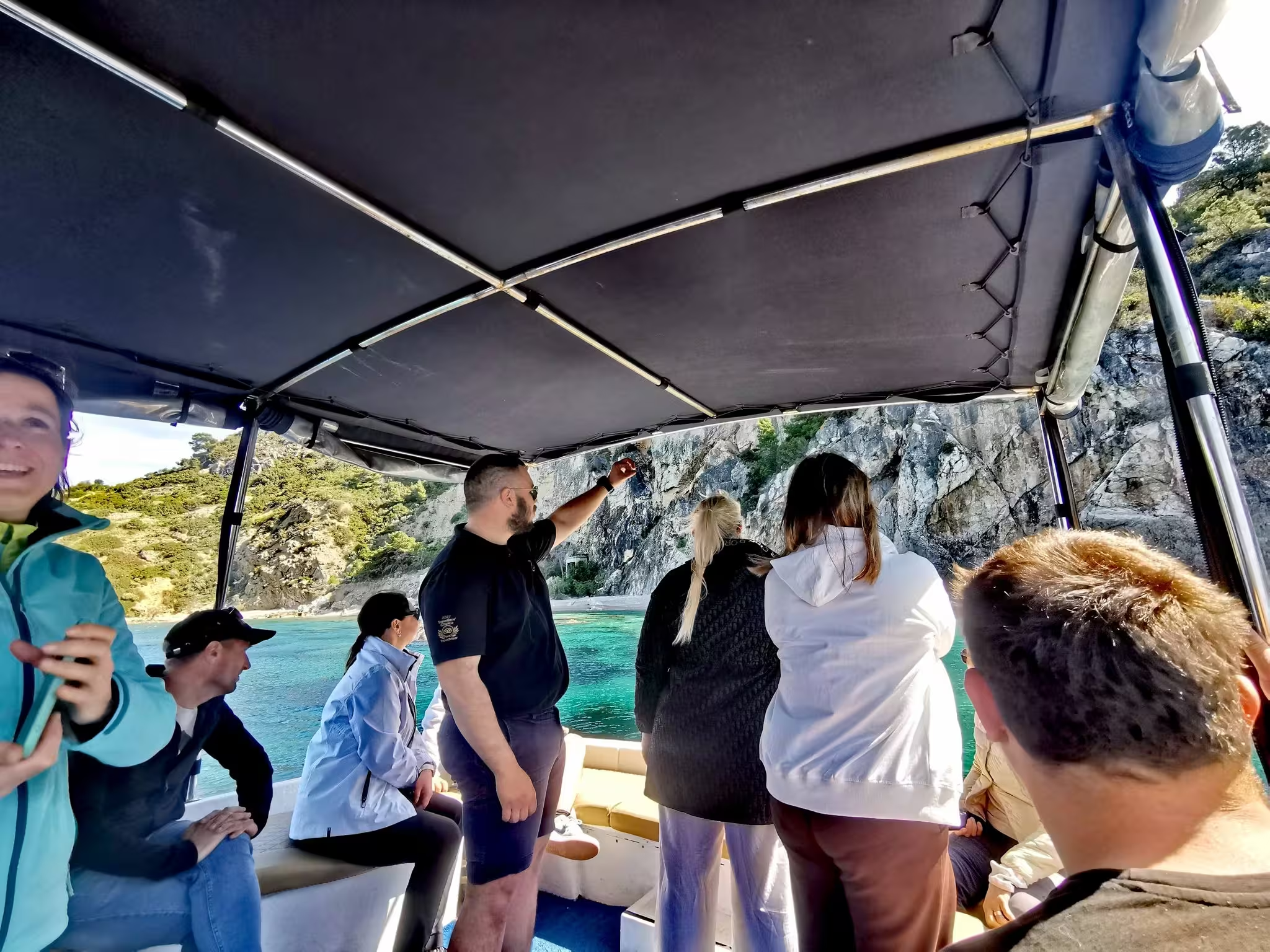
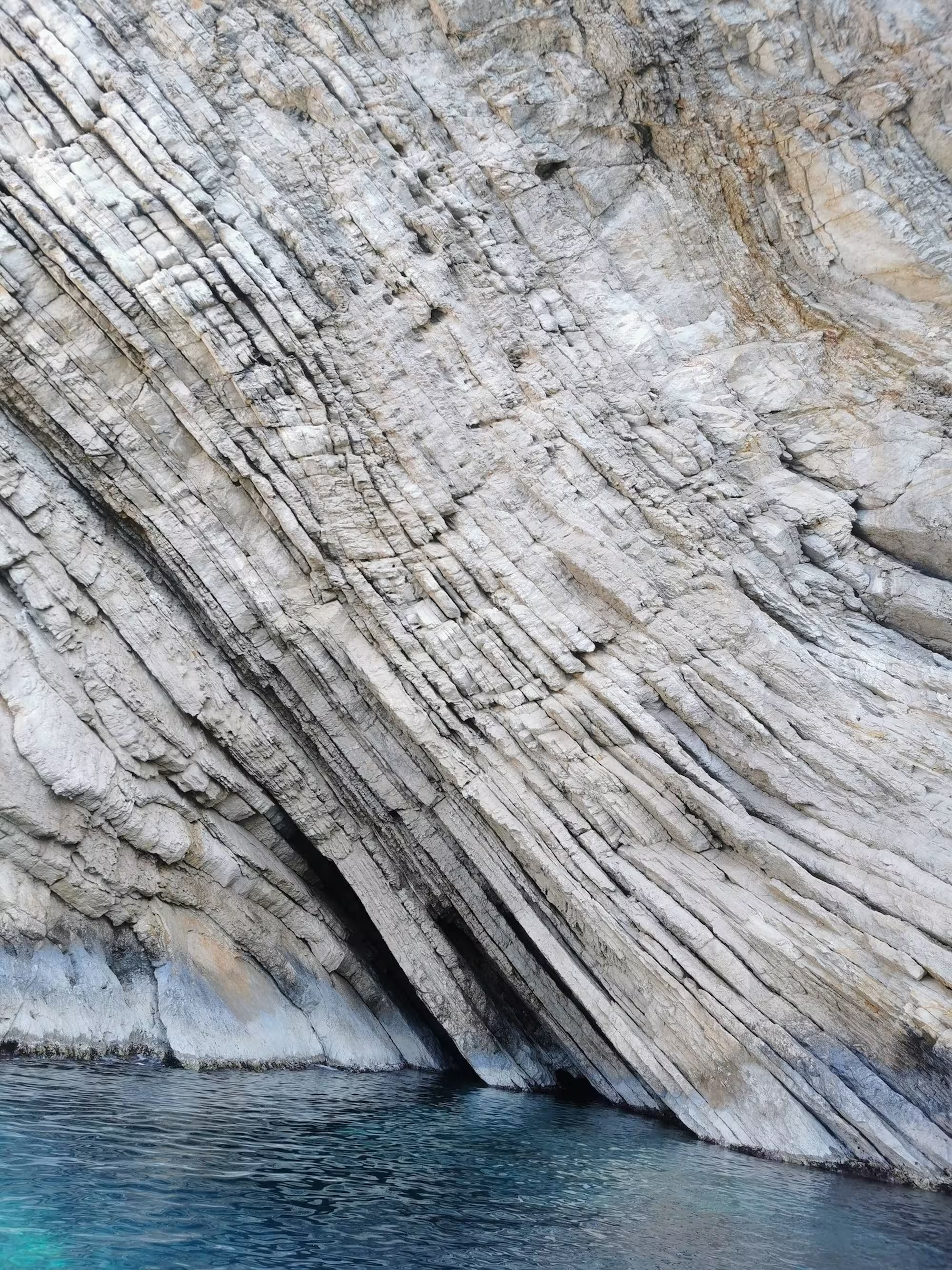
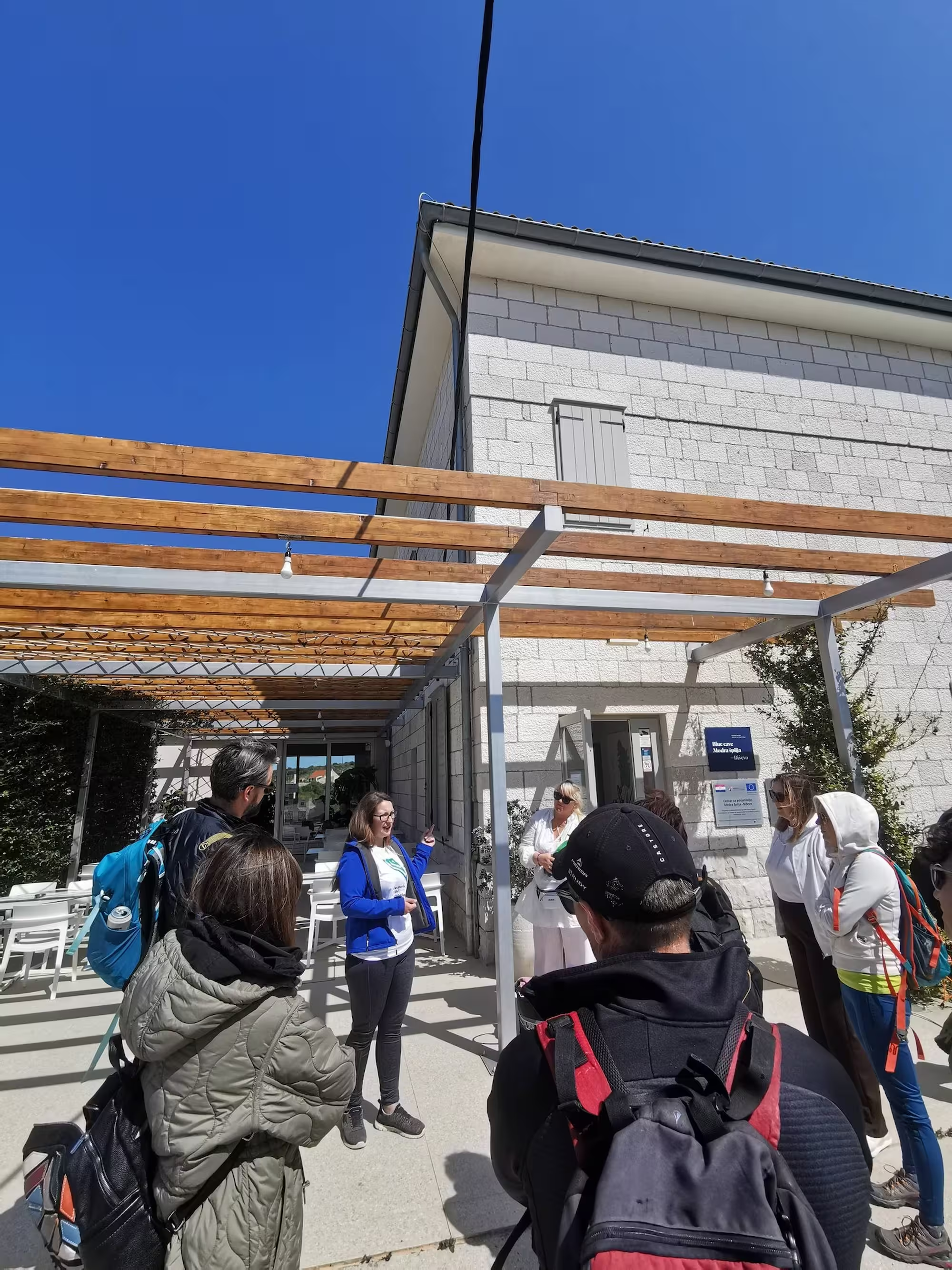
The program began with participants arriving on Vis, while the second day was dedicated to a field visit to the Vis Archipelago UNESCO Global Geopark and Biševo Island. Participants visited the Blue Cave, the Blue Cave – Biševo Visitor Center, and, through a boat trip around the island, learned about the geological features and geomorphological value of the Biševo area.
The Geopark Visitor Center in Komiža also hosted the 4th session of the National Commission for UNESCO Global Geoparks, further emphasizing the importance of international and national cooperation in the protection and management of geoparks.
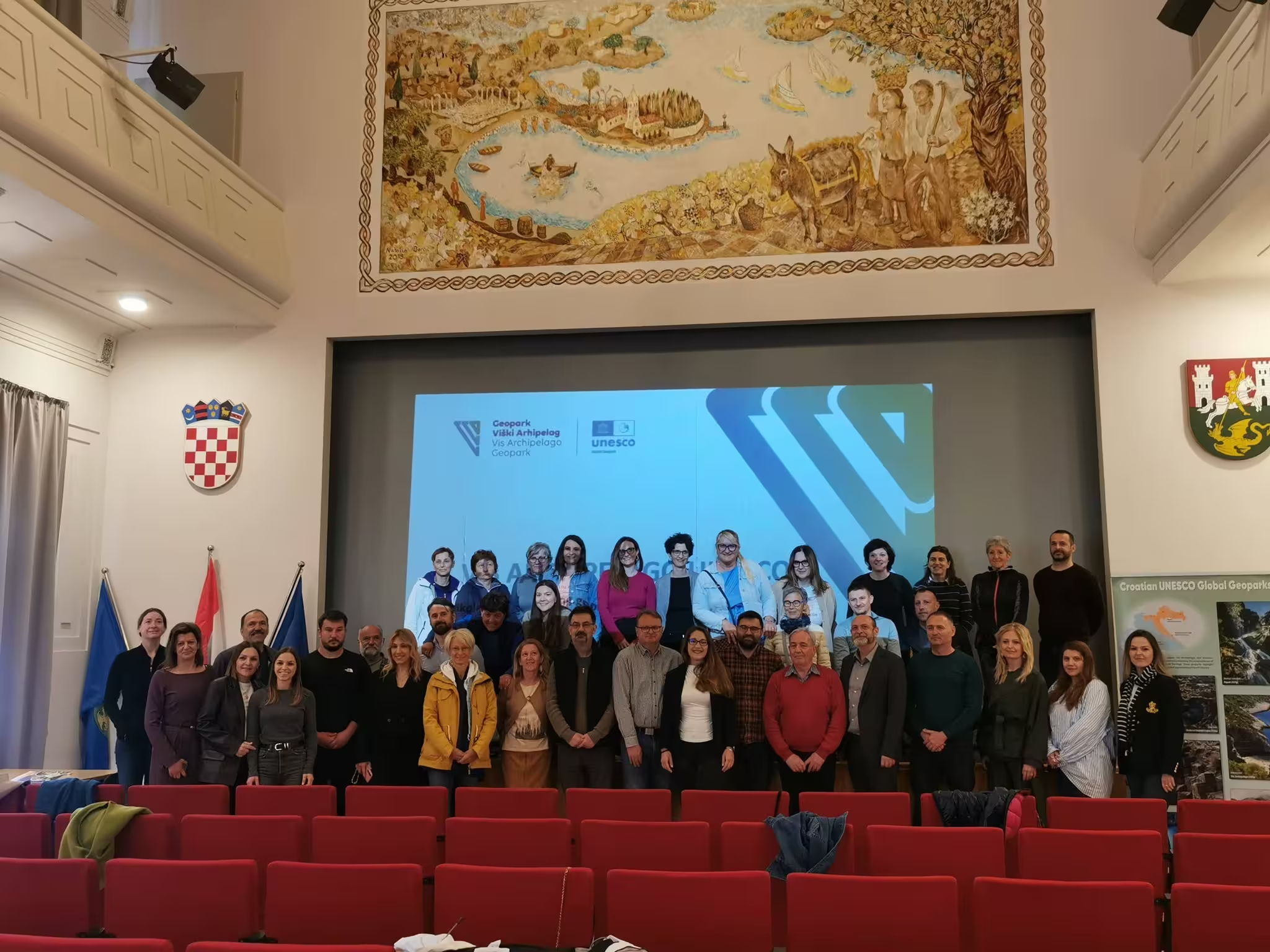
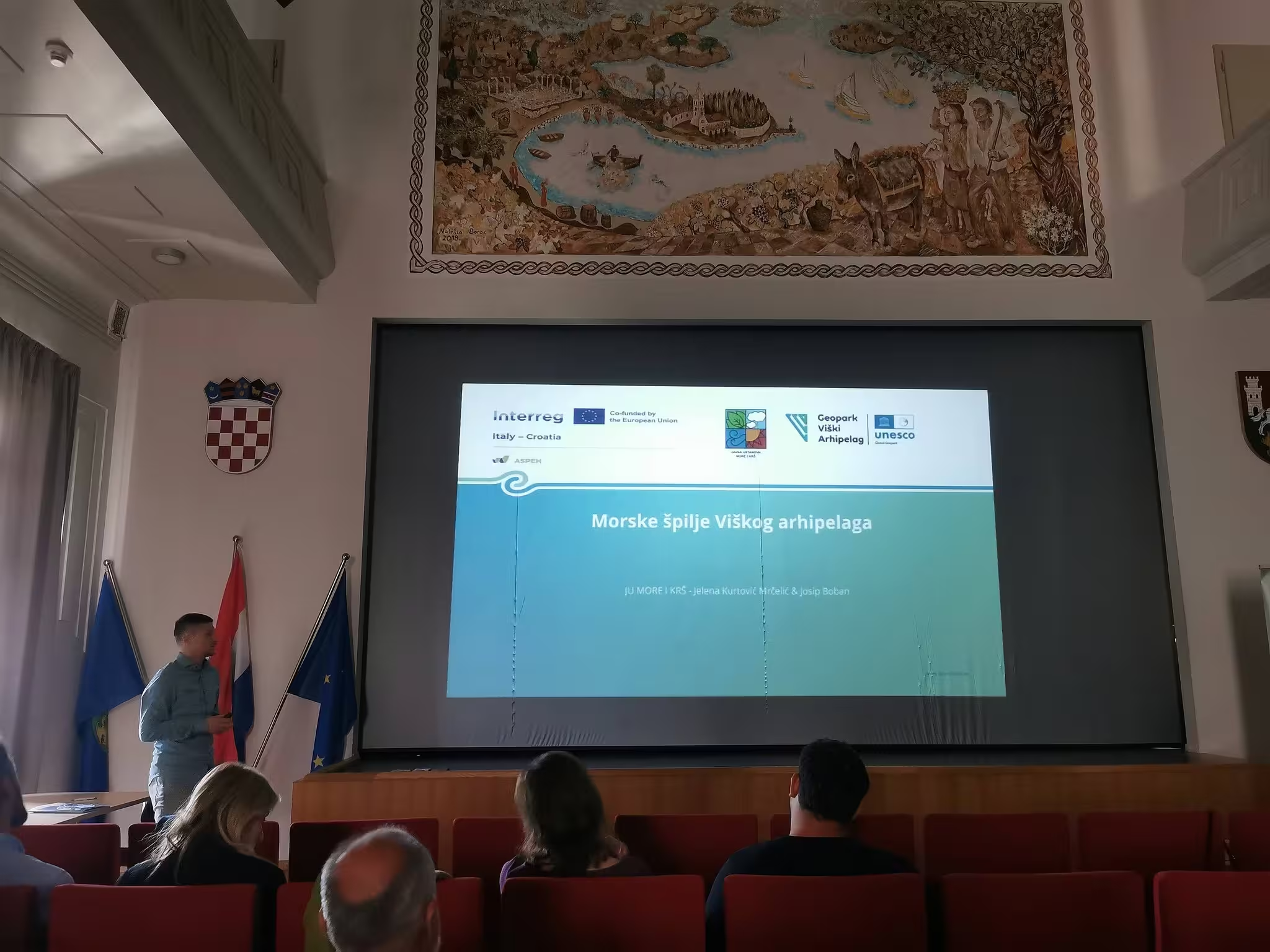
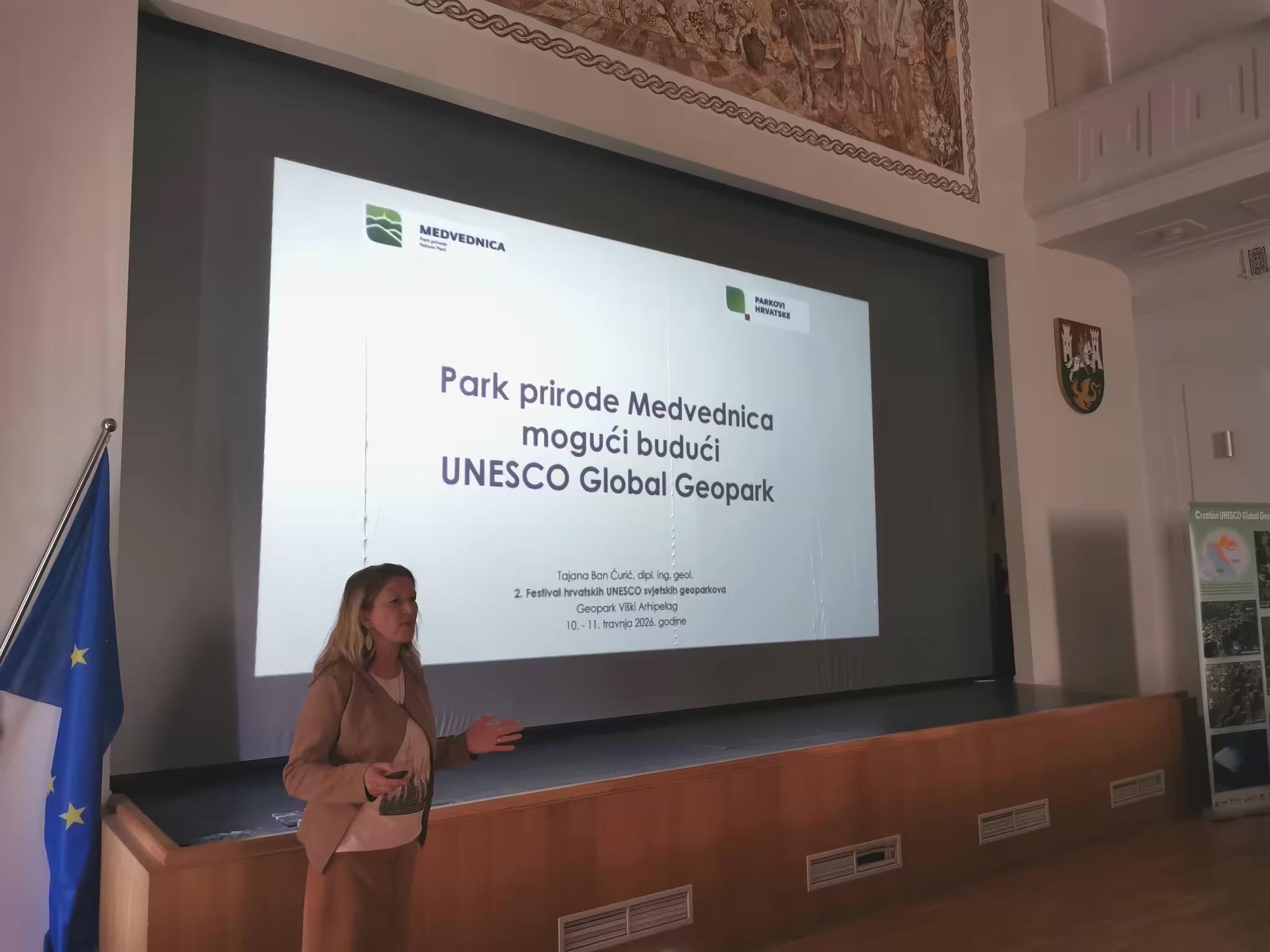
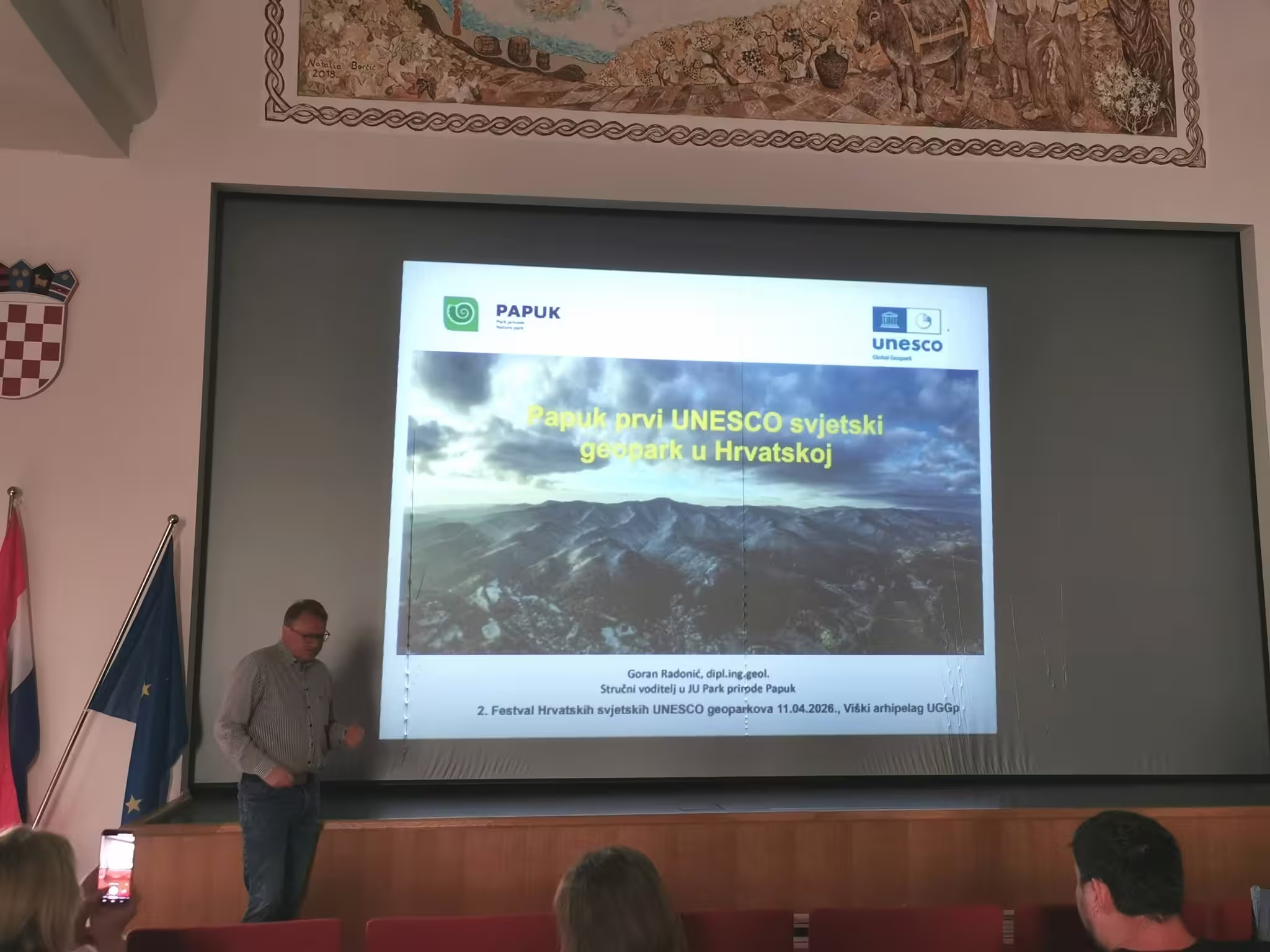
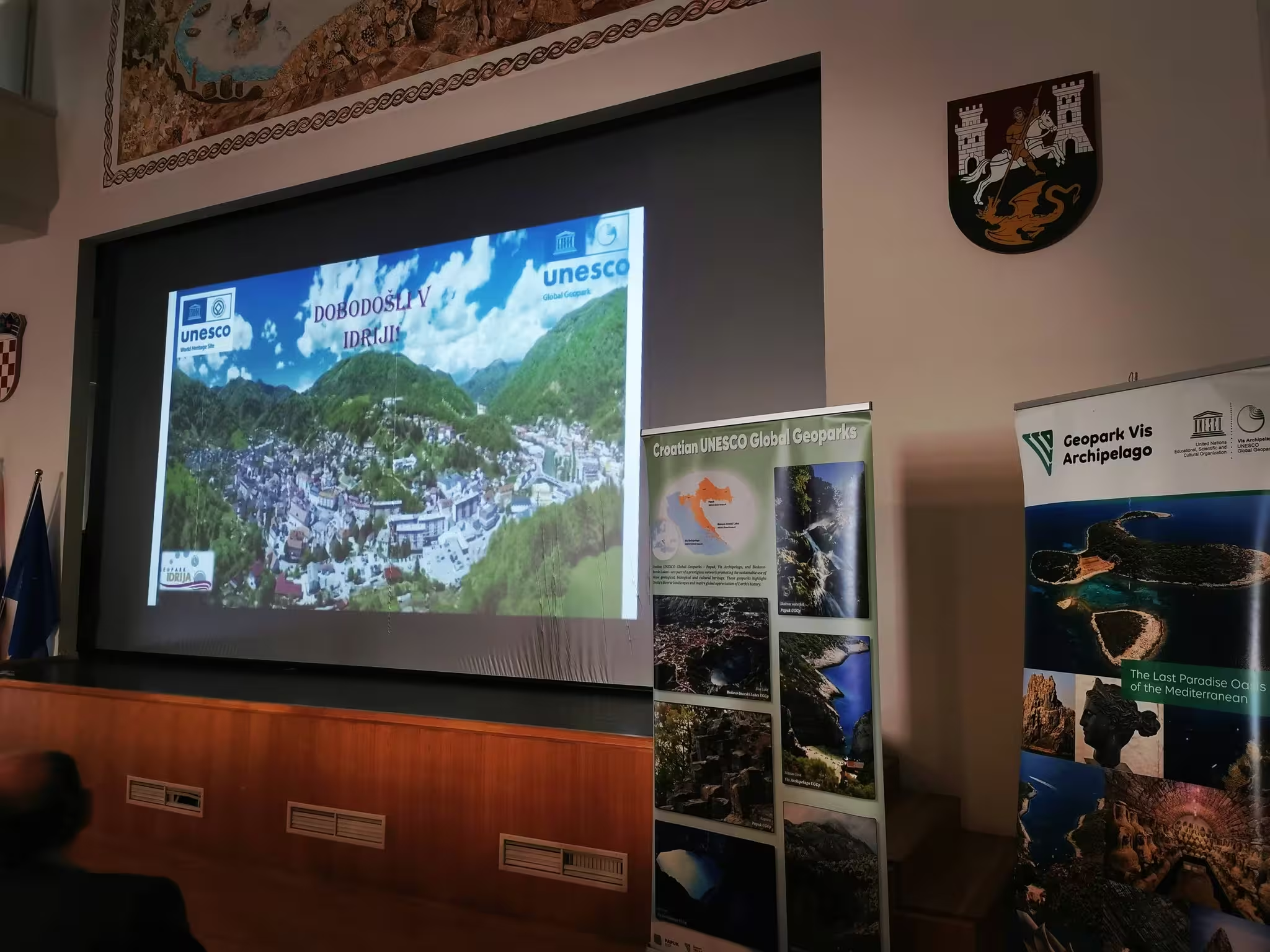
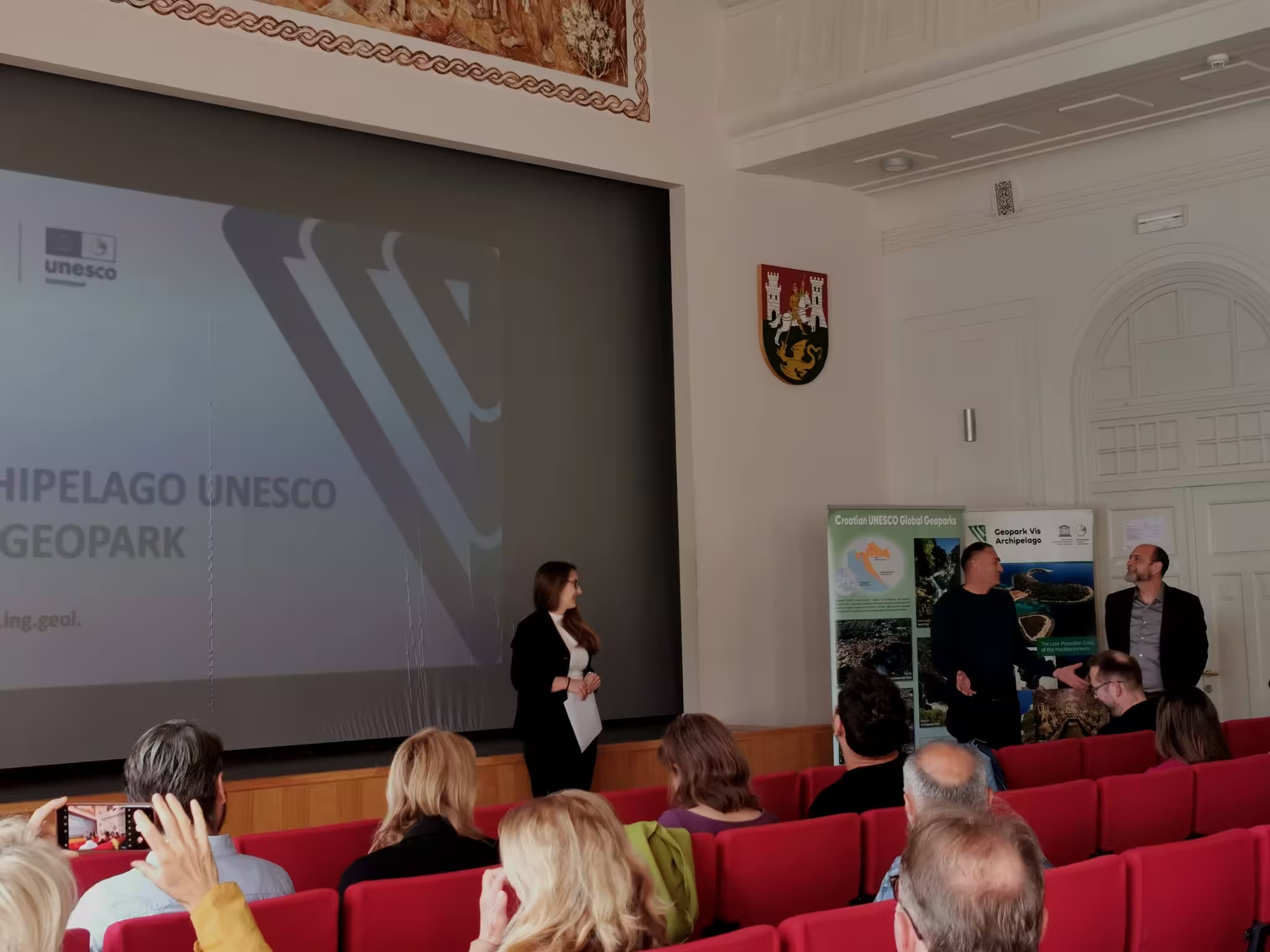
The central part of the festival took place on Saturday, April 11, when an expert gathering dedicated to geoheritage, cultural heritage, sustainable development, and spatial interpretation was organized at the Croatian House in Vis. Numerous lecturers and institutional representatives participated in the expert gathering: Nikola Nemec from the Vis Archipelago UNESCO Global Geopark, Goran Radonić from the Papuk UNESCO Global Geopark, Hrvoje Škrabić from the Biokovo-Imotska Lakes UNESCO Global Geopark, Bojan Režun from the Idrija UNESCO Global Geopark, Tajana Ban Ćurić from Medvednica Nature Park, Josip Boban from the Public Institution Sea and Karst, Miro Cvitković from the Palagruža Association, and Jure Atlija from Atlija Family Farm.
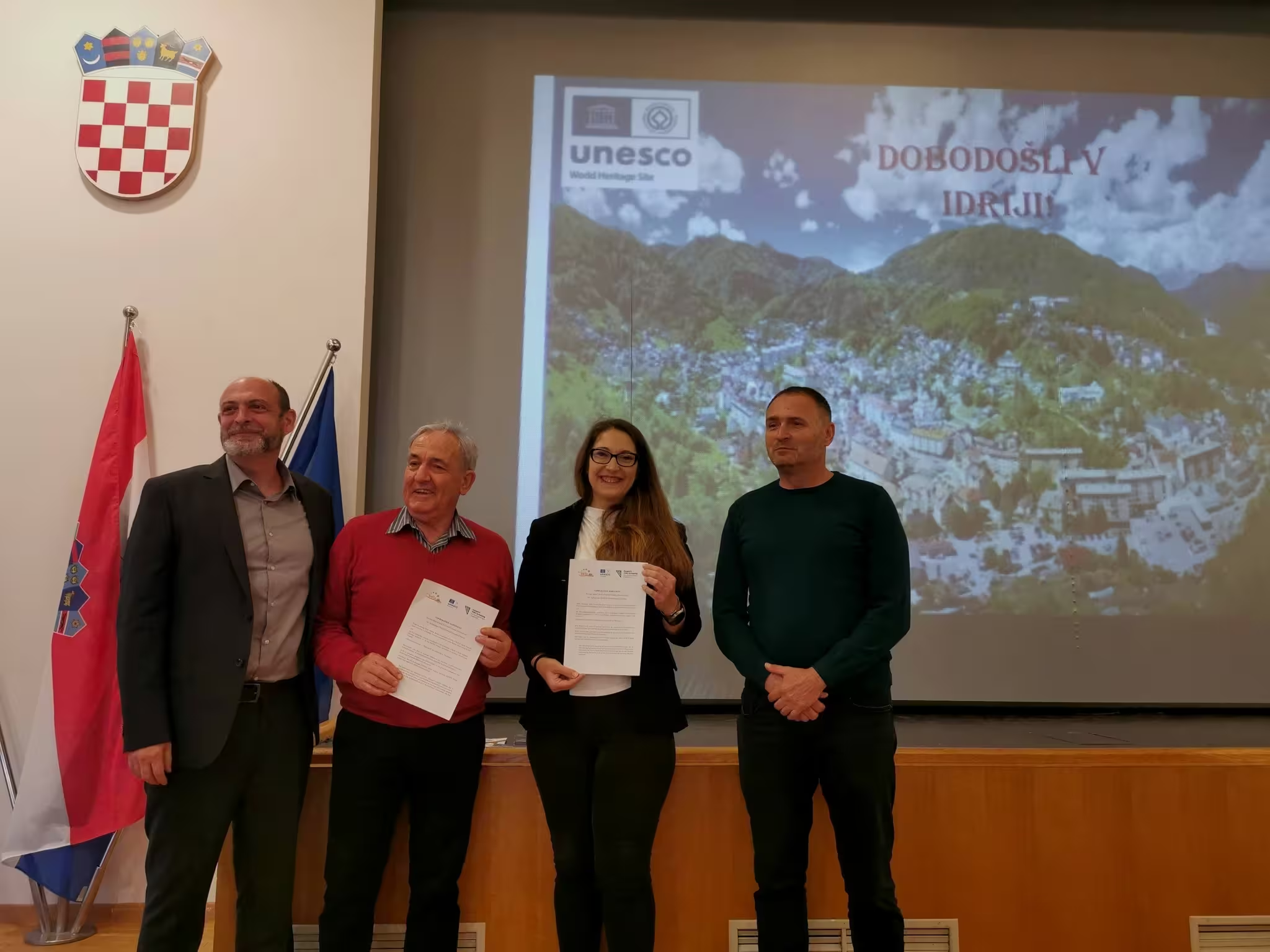
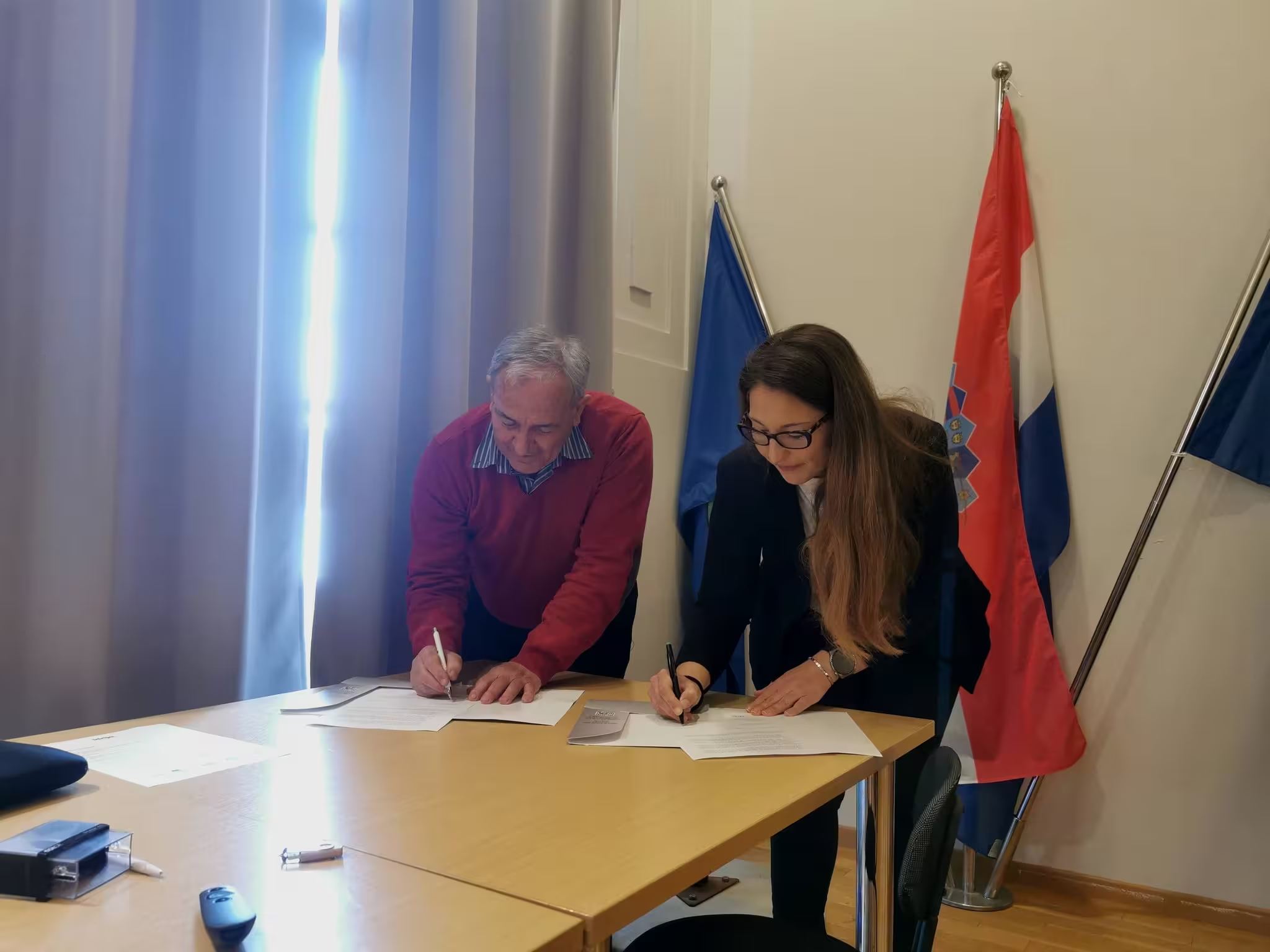
A particularly important moment of the festival was the signing of a Cooperation Agreement between the Vis Archipelago UNESCO Global Geopark and the Idrija UNESCO Global Geopark from Slovenia. This cooperation opens the door for future joint activities, the exchange of knowledge, experiences, and examples of good practice in the field of heritage protection, education, and interpretation.
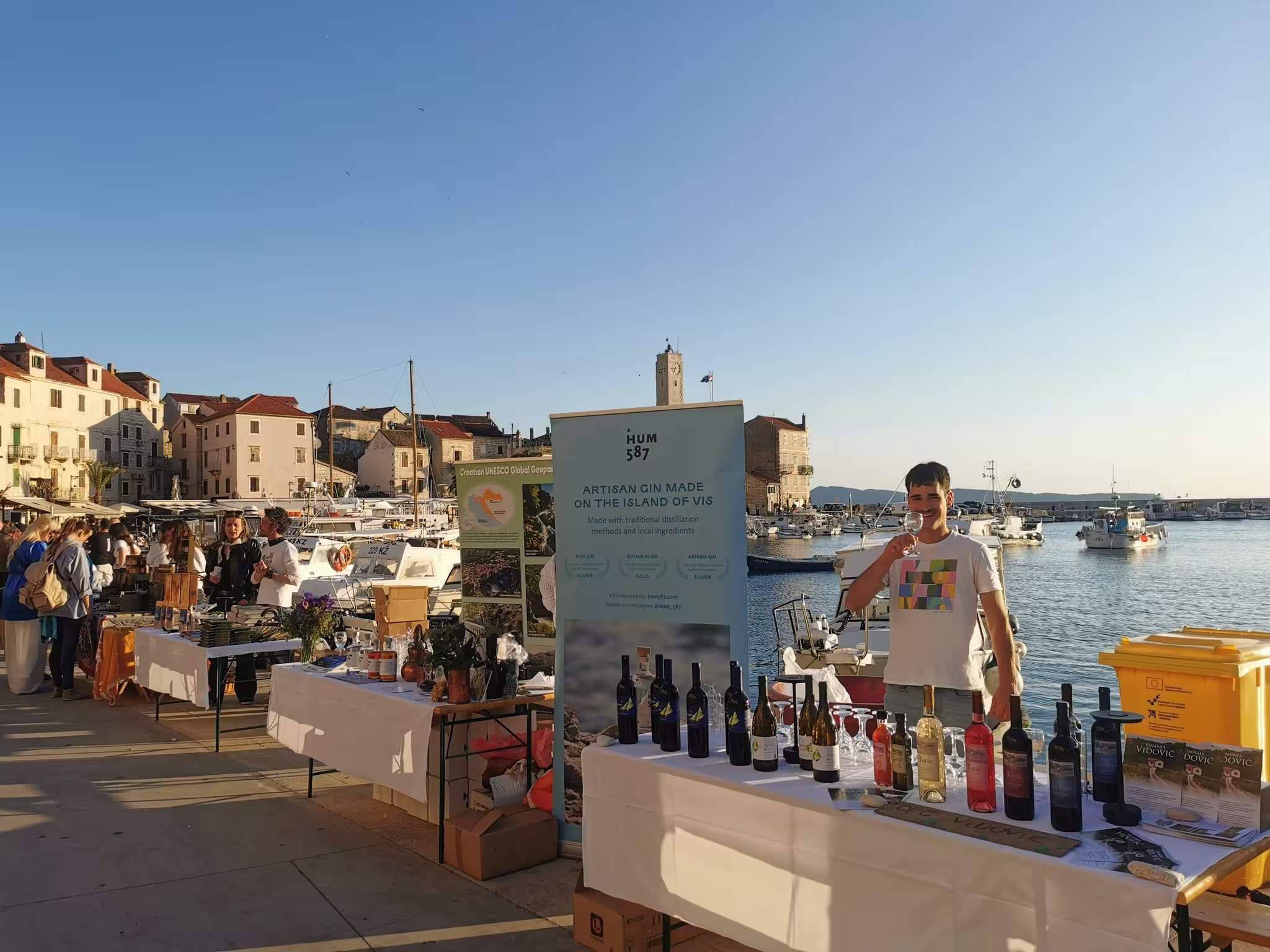
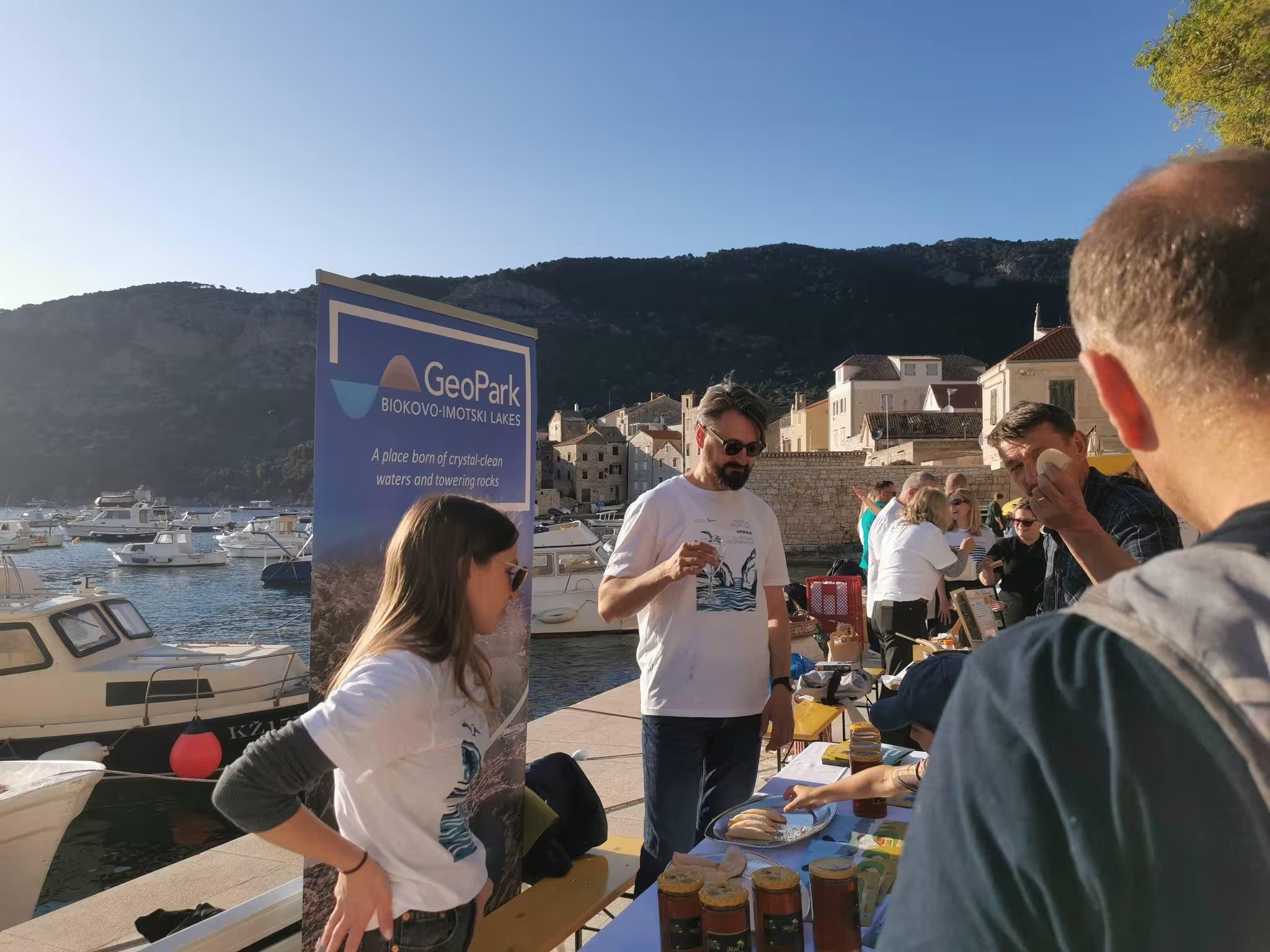
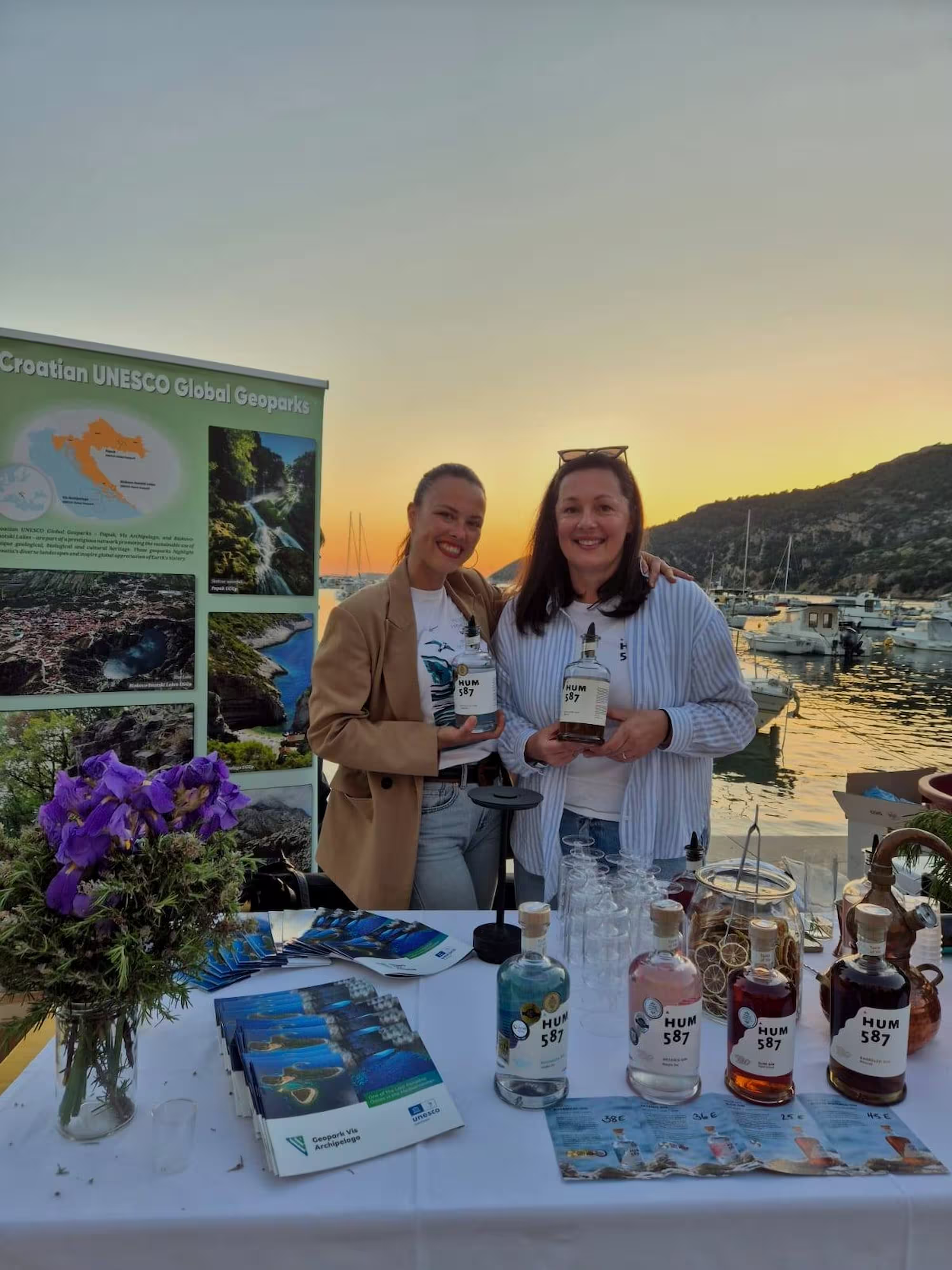
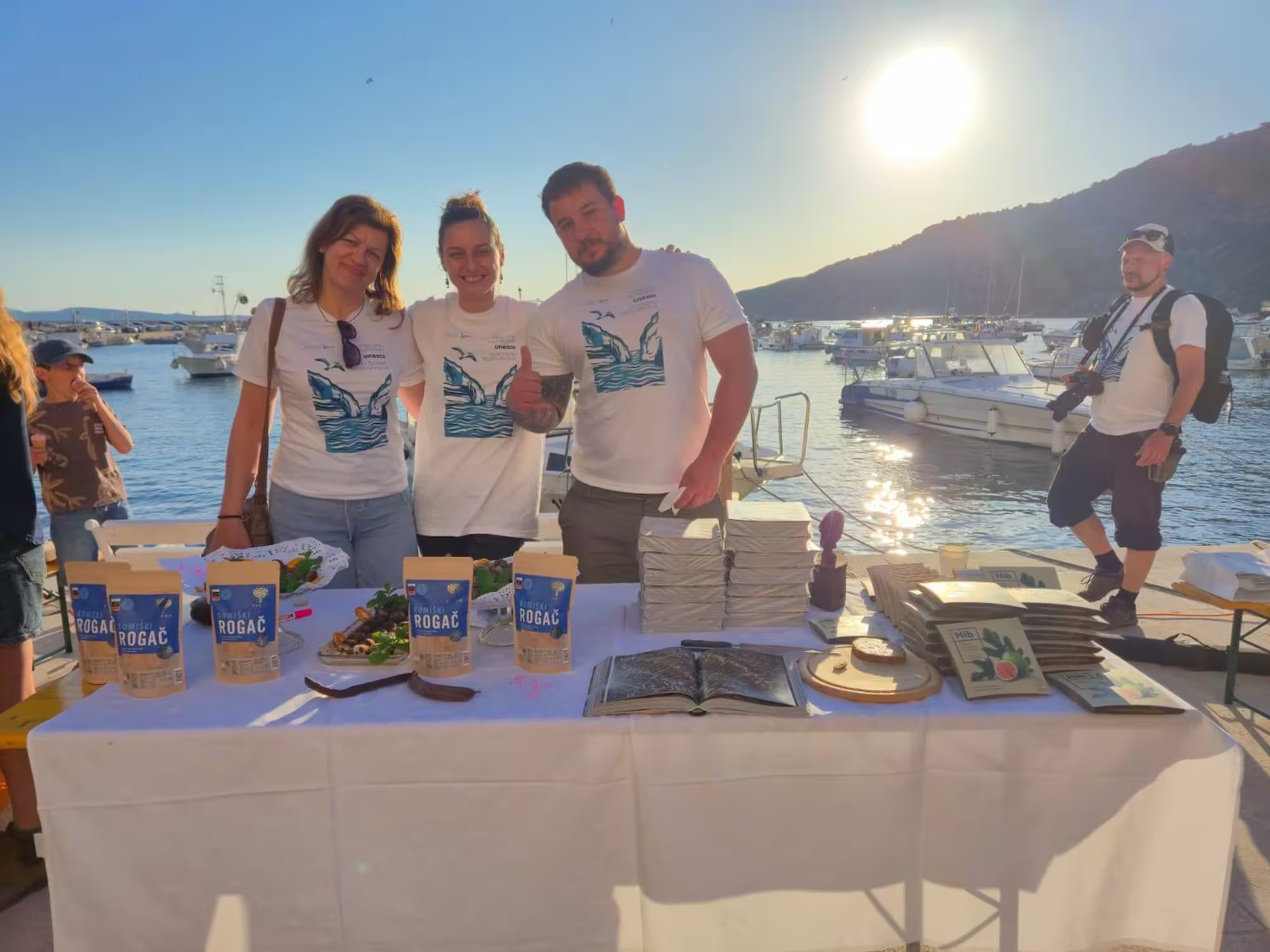
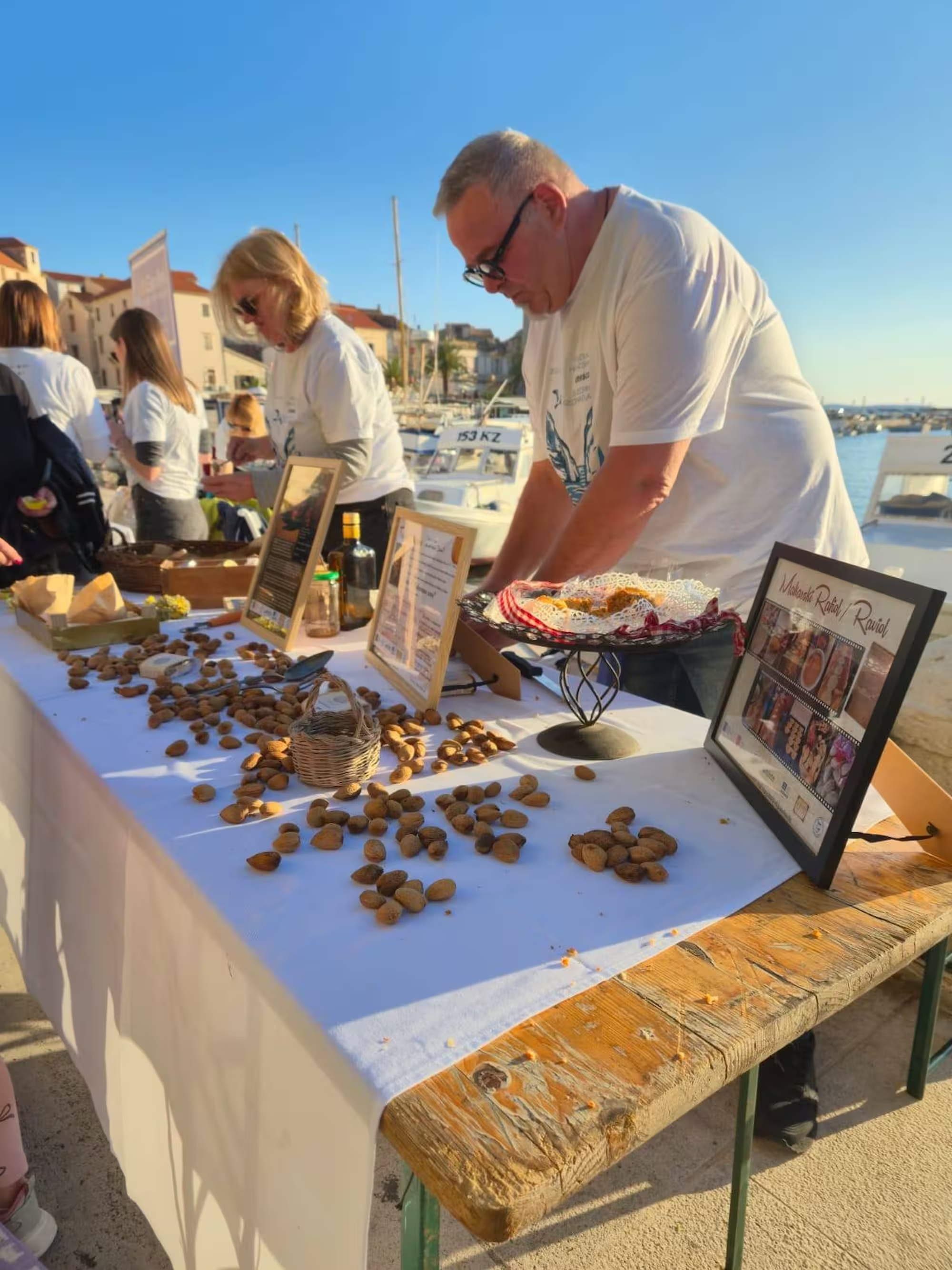
In the evening, a Fair of Products from Croatian UNESCO Global Geoparks was held on the Komiža waterfront, where visitors had the opportunity to discover local products, traditional stories, and producers from various Croatian geoparks. The fair once again demonstrated how interconnected local production, regional identity, and heritage are.
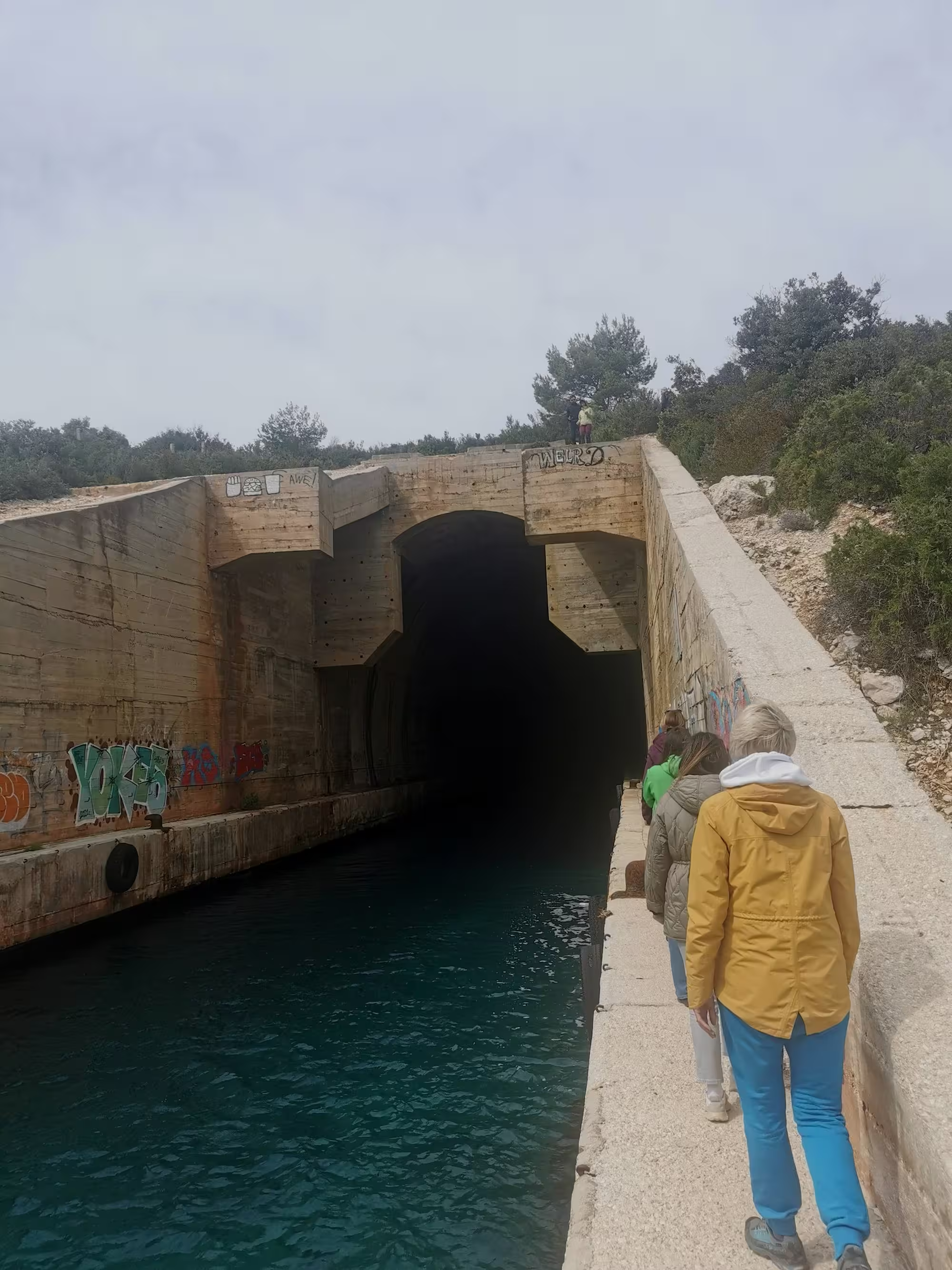
The festival concluded with an additional field program and a tour of the northern coast of the Vis Archipelago Geopark, during which participants, through geoheritage interpretation, learned about the unique features of the Vis coast and its geological development.
We thank all lecturers, participants, partners, exhibitors, and visitors who, with their knowledge, presence, and support, contributed to the successful realization of the festival. Special thanks to colleagues from other geoparks and partner institutions for their camaraderie, cooperation, and inspiring exchange of experiences.
The Festival of Croatian UNESCO Global Geoparks once again confirmed that heritage is preserved not only through spatial protection but also by connecting people, sharing knowledge, and creating new opportunities for the joint development of local communities.











Posljednje novosti

Hrvatskih mučenika 17
21485 Komiža, Croatia
+385 91 271 30 23
geopark@geopark-vis.com
Fotografije: Ivo Pervan, Matko Petrić, Stjepan Mekinić
Design & development: P3R0